'83

Preview
A Cold War Gone Hot, But Cooling Down
EA SCOUT the last line of defense for buying on Steam's Early Access
by Jordan Helsley
previewed on PC
Going Hot
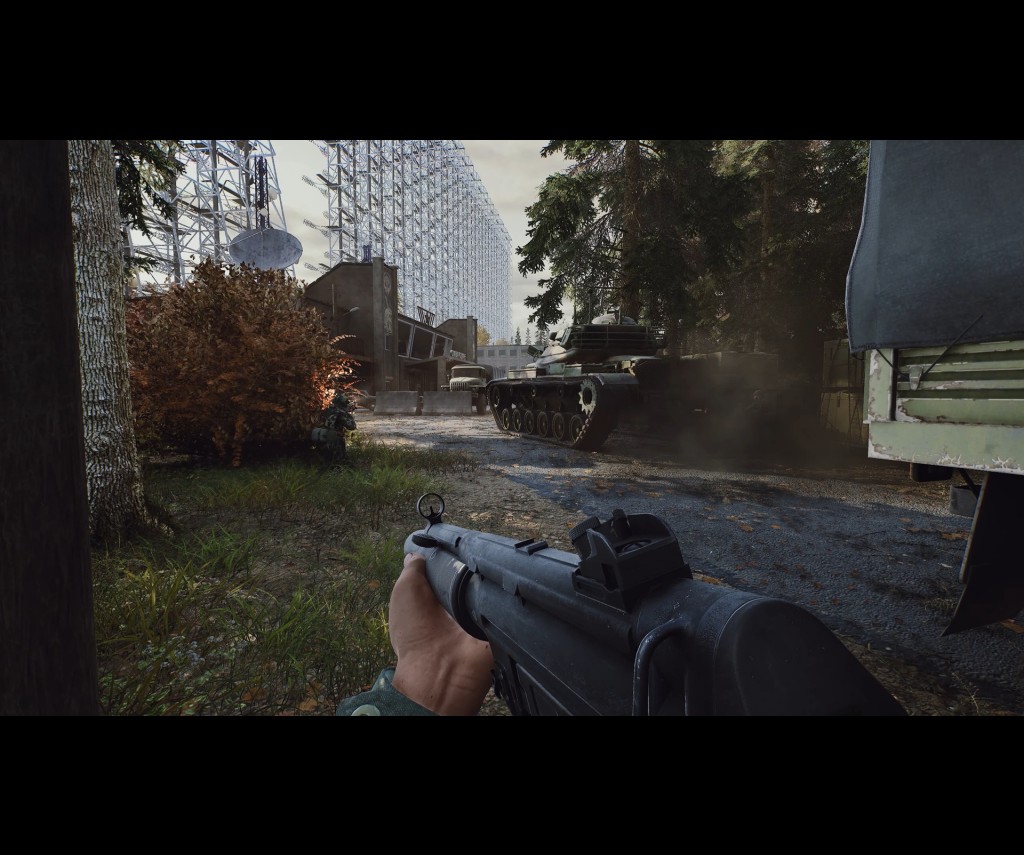
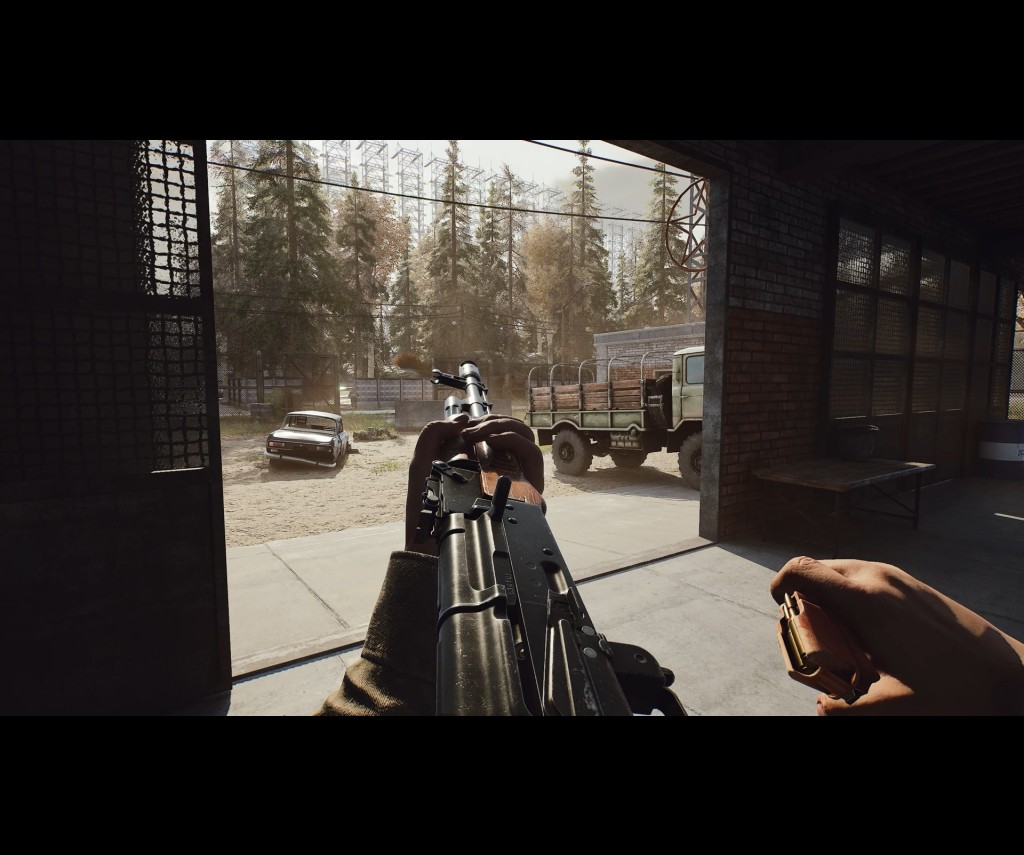
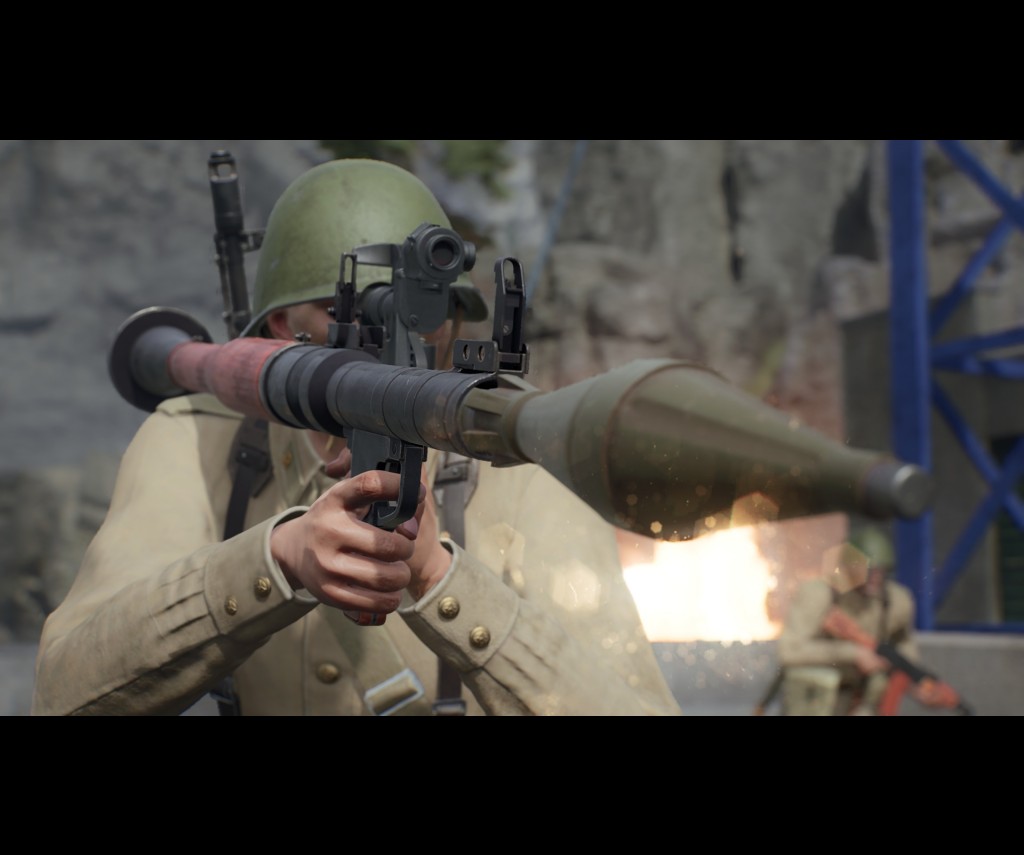
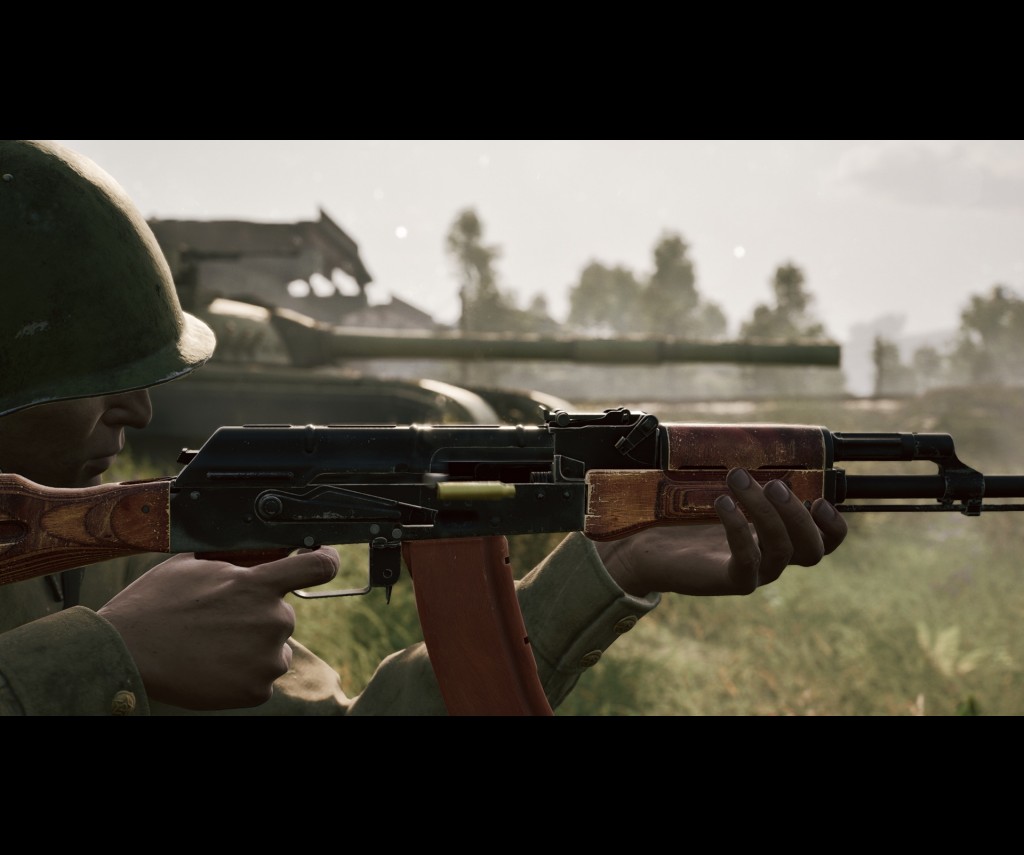
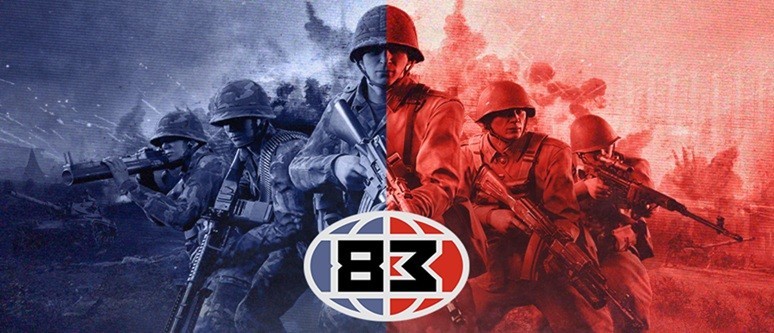
It's 1983, as the name suggests, and the Cold War has gone hot, as it is wont to do in fiction. Warsaw Pact countries fill the role of the "red team," with AK-74s and the like, while NATO fills the, well, NATO role, and comes equipped with M16A1s and other associated firearms. The usual "good guy" and "bad guy" loadouts. That's really all the setup you get, outside of some poorly formatted text during loading screens. There are very few functional differences between the two sides, as you'd expect for balance, but there are definitely some inconsistencies in the weapons available to each side. The NATO forces feel slightly handicapped with the sniper rifle-toting Marksman class, which comes equipped with an M21 marksman rifle, but feels outclassed by the Pact's more powerful SVD Dragunov sniper rifle. Weapons are incredibly lethal, so the difference may end up being negligible, but the SVD feels much better at long range, in both target acquisition and lethality.
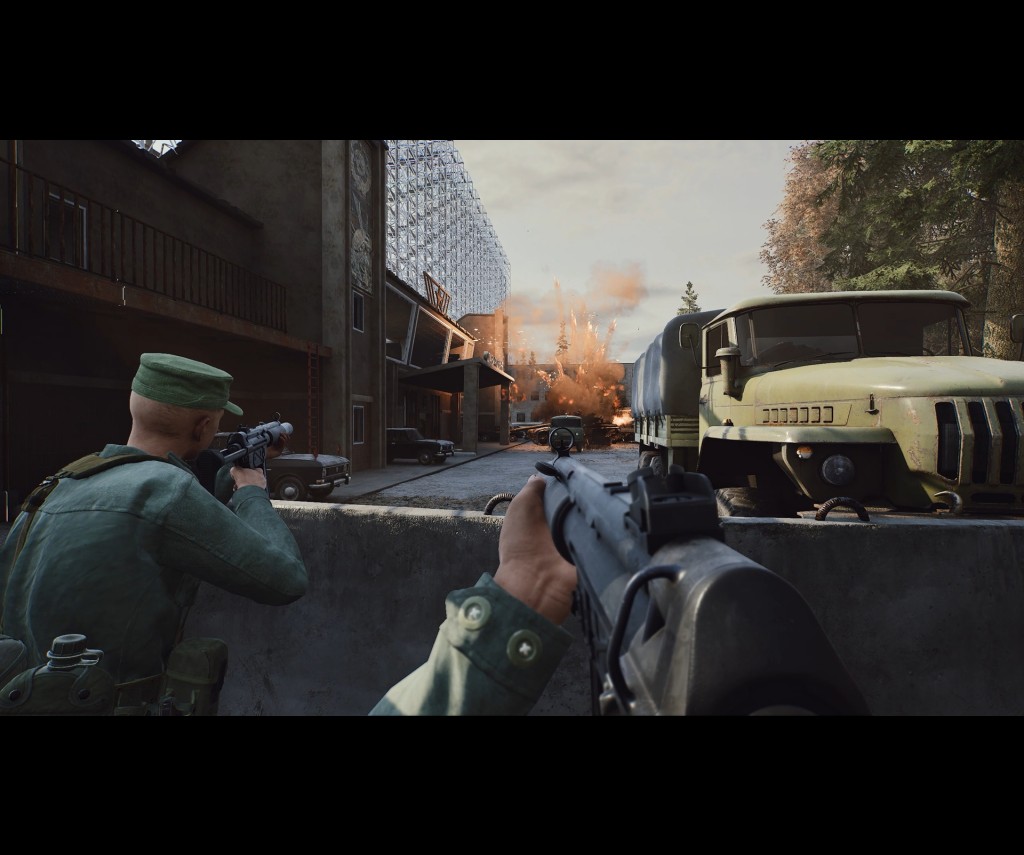
The power imbalance flips in the Special Forces class, though. On the NATO side, the role gets exclusive access to the MP5 and a shotgun, both of which excel at short range, even if the shotgun feels a little off. The Pact gets just the AKS-74UB, which is also available on the Anti-Tank class, so it doesn't even get the added benefit of an exclusive weapon. I often felt underpowered in long-range engagements against the SVD (which also just might have a longer range scope, if my quick shooting range test is accurate), and in short range against the MP5 or shotgun, without a suitable counter pick in either case. And because of the overall damage guns do, the usual trade-off of firing speed versus damage doesn’t feel like it applies. Firing speed feels like king. When a single well-placed bullet can down an enemy, it’s probably better to worry less about weapons and more about positioning and awareness anyway.
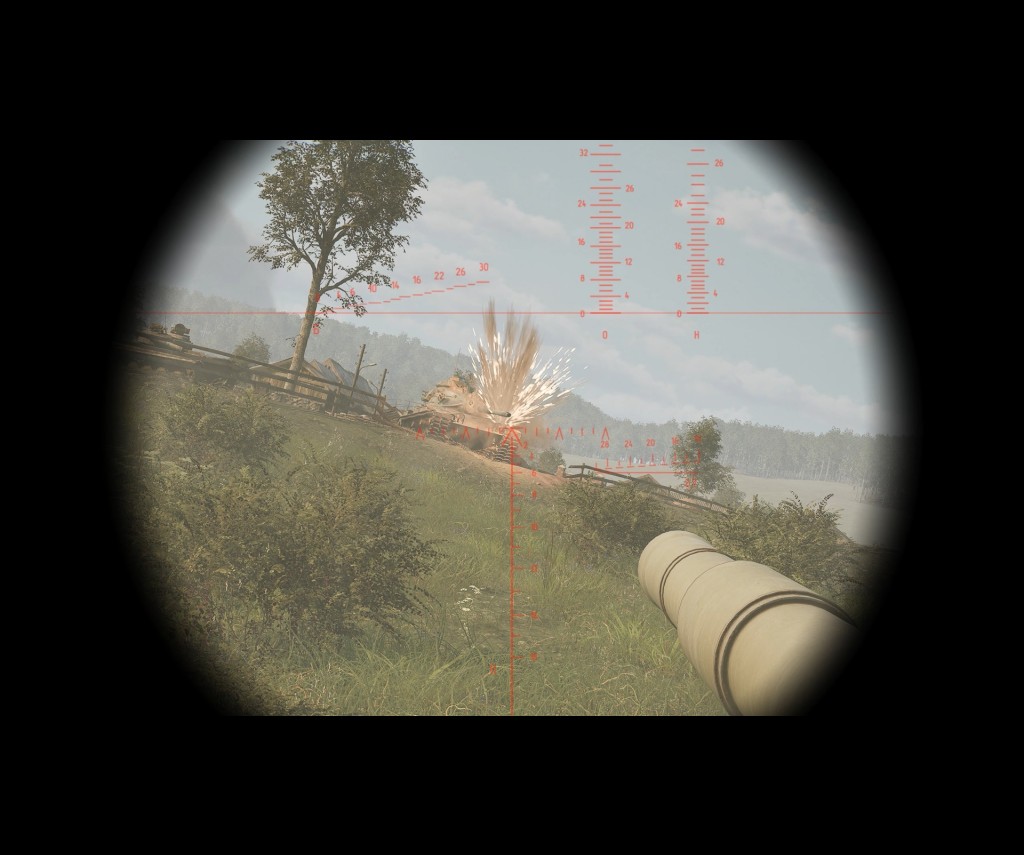
Outside of those areas, combat has a better balance. Critically, both tanks and anti-tank implements are dangerous to the other side, to prevent either from feeling useless, though the tank needs a crew to operate efficiently. That can be said about much of '83. Playing the proper role, and working with both the squad and the team, is important by design, and with nine roles to choose from, there's a spot for just about anyone. And with weapons locked to particular roles, the opportunity to fine-tune the balance is real.
Tactical Considerations
The fun and novelty of '83 truly lives in either playing or having an excellent Commander, which is impactful when it works. Setting up a radio that doubles as a spawn point and gives the ability to call in support, like spy planes and artillery strikes, seems boring from the outside, but it can turn the tide of battle if done well. Ordering squads to attack objectives is less effective, mostly because it lacks reward or punishment at the squad level. Currently, though, the economy of these reinforcements is more obfuscated than it should be, and even the menu itself is prone to simply not working.
Each squad's leader also has some light management too, in that they can place additional spawn points with relatively easy-to-hide tents. These tents and the Commander's radio are the only spawn locations outside the base. We can't overemphasize the importance of setting up insertion points in helpful positions, but it doesn't fully deliver on '83's promise of getting players into the action quickly. Without the ability to spawn on squad mates, while the tents need to have breathing room so they don't get immediately destroyed, the pace still leans towards slow and methodical.
The philosophy of special equipment and locked weapons per role works to make that selection matter as you work with your squad mates and teammates. This is where '83 can excel; it just needs a bit more depth. Outside of the Commander and squad leader roles, the only other two of true necessity are the Armor and Anti-Tank roles, for obvious but contrasting reasons. Weapons are so lethal that just about any class can play in tight spaces or get good shots off at distance, minimizing the importance of Marksman, Special Forces, and other roles. Given that there are nine total roles, each with maximum counts, things currently skew towards those important roles often.
No Man's Land
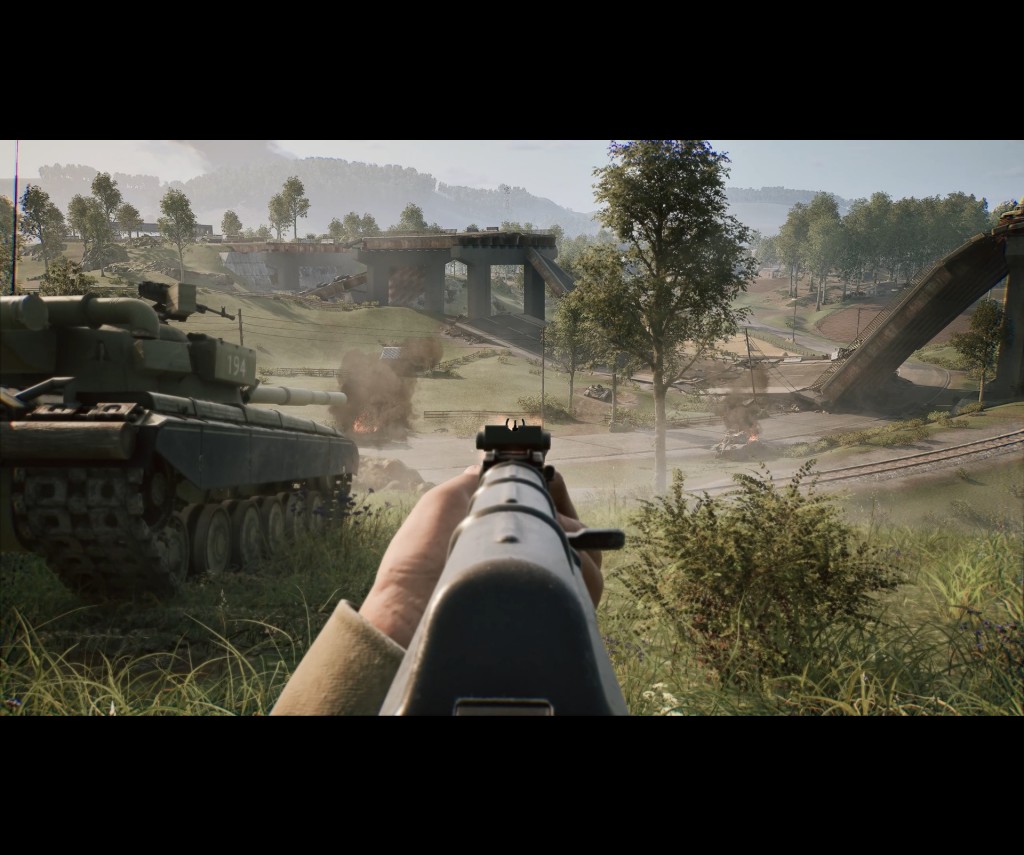
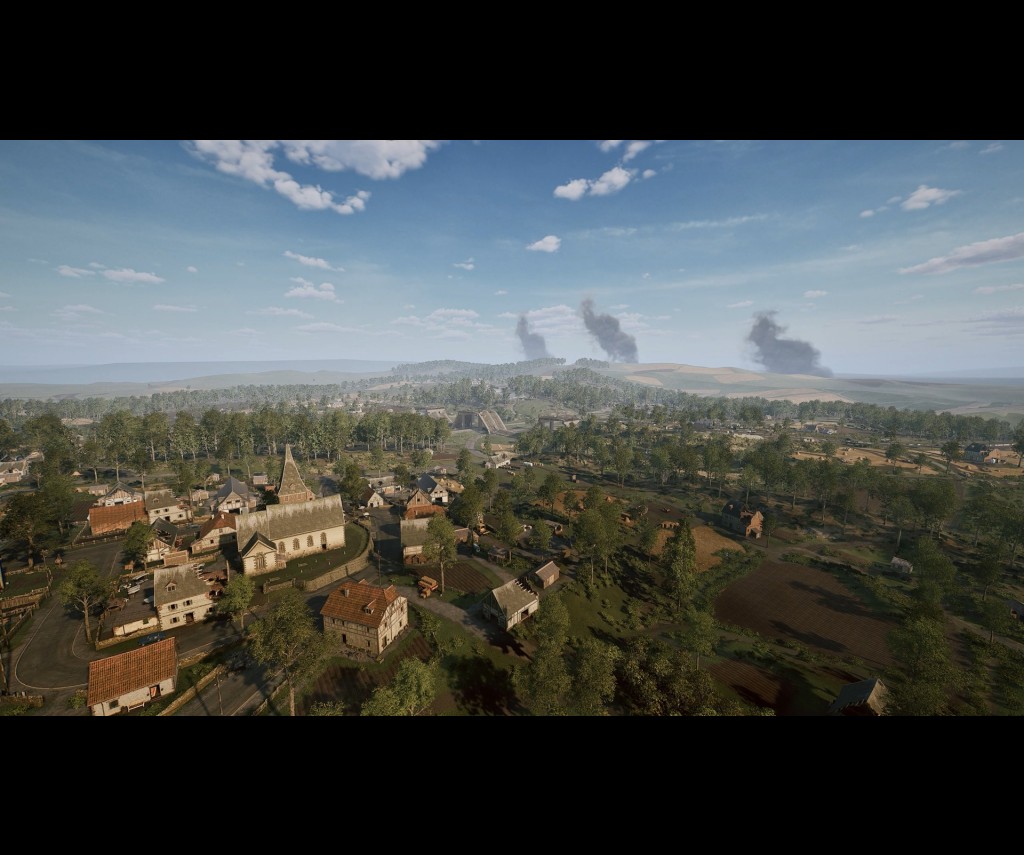
The reason that concentration and a slower pace is happening is perhaps the most disappointing aspect of '83's early access ambitions: there are not enough players. Whether or not it's a good idea, the game includes a server browser which gives a clear picture of how active the battlefield is at any point. While the game promises 40v40 matches, the largest server I saw had 12 players. Games have survived and come back from worse, but it's impossible to shake the feeling that the mechanics of '83 simply do not work and can't sell themselves without full teams, and the maps definitely don't. A barren war zone is one thing if it feels threatening, and a distinct thing when it simply exists as the space between you and the small concentration of enemies. It's easy to imagine full servers, with the chaos of fighting and a quicker spawn-to-action time from a plethora of spawn tents, but it's not the reality now, and may never be.
You can only get glimpses of the full promise, but they do point towards something more engaging. A Commander triggers a spy plane as he tells the squads to push, calls in a smoke cloud outside the point to limit enemy vision, and squads move in methodically, backed up by their Marksman, to conquer. Maybe the defending Commander derails that plan with an artillery strike, and maybe the attackers can get in there too quickly for it to matter. Dynamism exists in the design. The maps work for that, and the equipment works for that. You just can't see it with small teams.
Player counts are emblematic of what plagues '83 throughout, as it earns its early access moniker. It's just a slight package that needs some bulk. There aren't many weapons, maps, or vehicles, so it lacks variety overall outside of role selection. Even with full teams, there's only so much to see before it all begins to look and feel the same. It feels utilitarian, which extends from the UI and, most confusingly, the tutorial. Presented as a literal instruction manual, surely to fit into the 80s aesthetic, it does a poor job of capturing the options available to the player even as it overloads on information. One page of all the controls at once, two pages on the abilities of the Commander, and a page on both tanks, that's all. Valuable information, but lacking for most of the experience.
A War in Need of Protraction
Somewhat similar to the Cold War it's inspired by, '83 makes quite a few promises it doesn't pay off in its early access state, most of which are directly attributed to a lack of players. Getting into action is slower than advertised, largely because it depends on player-placed spawn locations. Maps and mechanics built around 40-player teams lack consideration for lower player counts, so they feel empty and under-baked. Variety feels lacking because squads cannot fill up with the full complement of roles, creating a vacuum around the best guns or classes. While team play and the Commander element show themselves well enough, other elements are too hamstrung to fully realize their potential and instead rely too much on speculation. It feels like the 80s; gunplay is tight and lethal, but it needs both more time and more content to truly compete in the genre that has mainstays and new high-profile competition on the horizon. Perhaps if it lasts longer than the year it takes its name from, it will have that chance.
As always, follow Hooked Gamers on Instagram for news updates, reviews, competitions and more.

Watch
The game has potential, but we're not ready to jump in with both feet. If the game interests you, look, but don't touch - yet.