Korridor

Review
Down the alley
by Quinn Levandoski
reviewed on PC
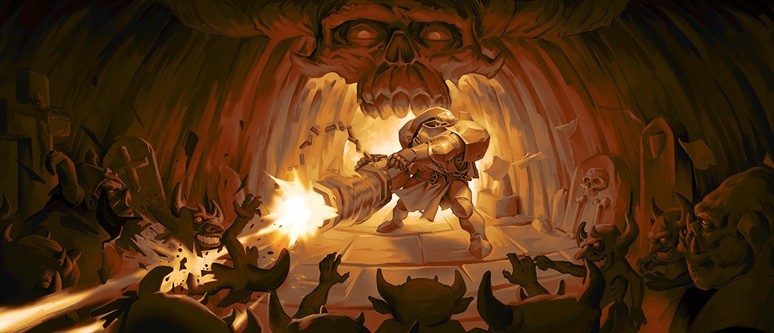
The concept here is simple. Players jump into the shoes of a monk-haired spirit wearing comically bulky knight's armor, rocking a handheld Gatling gun and determined to figure out where he is and why he has vague memories of a violent past. It's an interesting premise, but let's be clear: this is absolutely not a narrative game, and any context is never more than the thinnest excuse to mow down thousands of demons, gargoyles, plague fleas, and more. That isn't really a complaint; I didn't come into Korridor wanting to be moved by character development and raison d'etre.
Corridors
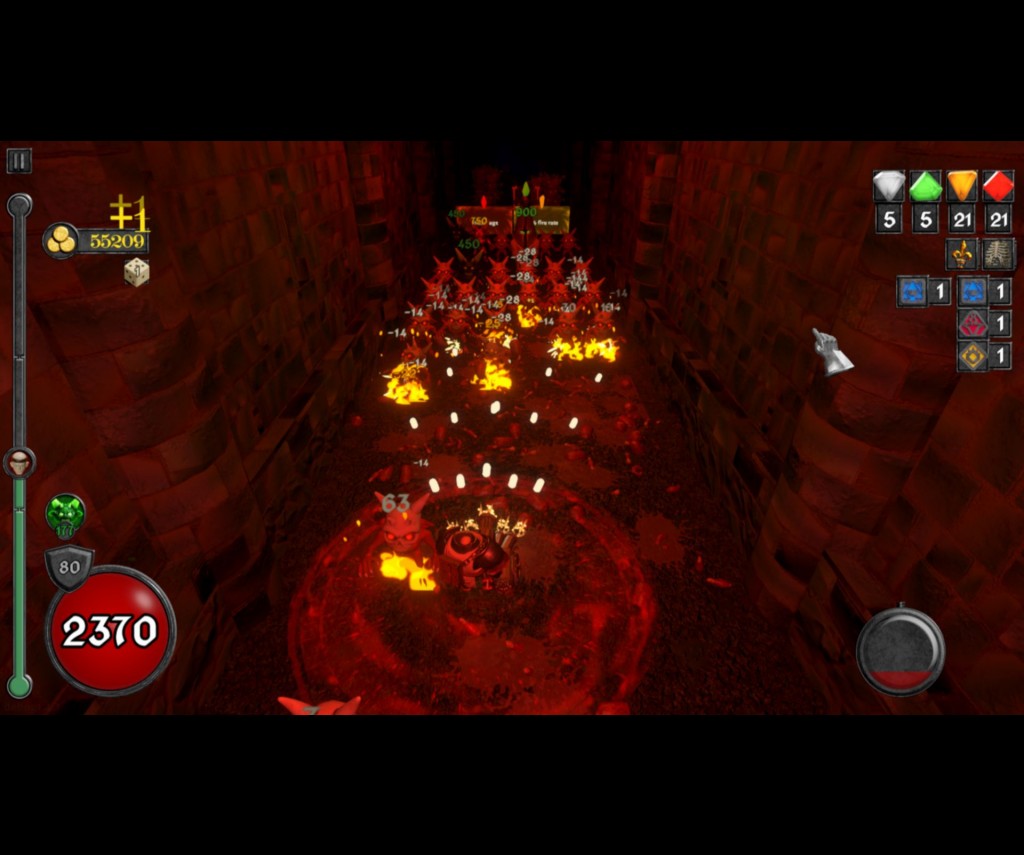
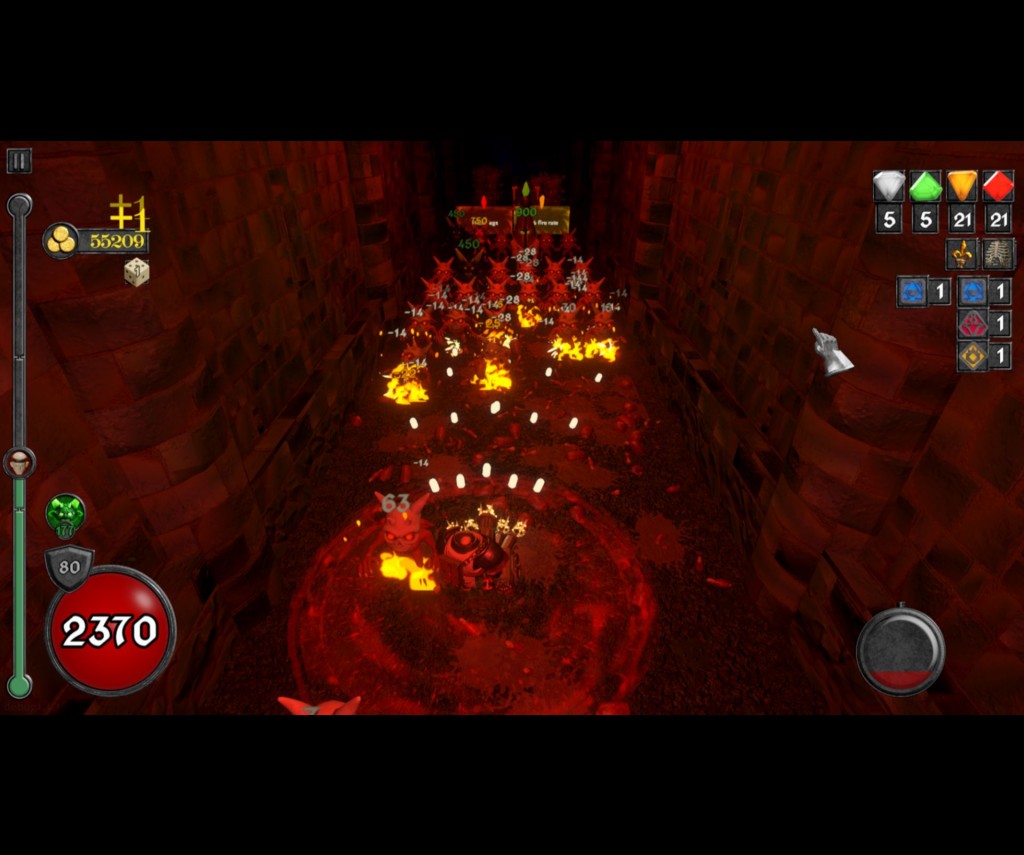
In fact, Korridor overall is a pretty bare-bones game, in both good ways and in ones that left me a bit wanting. While players can unlock some bells and whistles and make their way from one level to the next, the game never really changes. It opens with the player walking down a narrow corridor, able to move only left and right while shooting at approaching enemies. The environment never changes shape, movement never opens up, and enemies never do anything much more interesting than walk forward (I mean, some zig-zag a bit and some run, but that's about as diverse as we get). Again, this isn't entirely a complaint. Korridor knows what it's trying to do, and it sticks to that. Do I wish things opened up a bit and there was some more diversity to give the game more legs? I do, but it might be a monkey's paw situation in which trying to do more is less fun than staying focused.
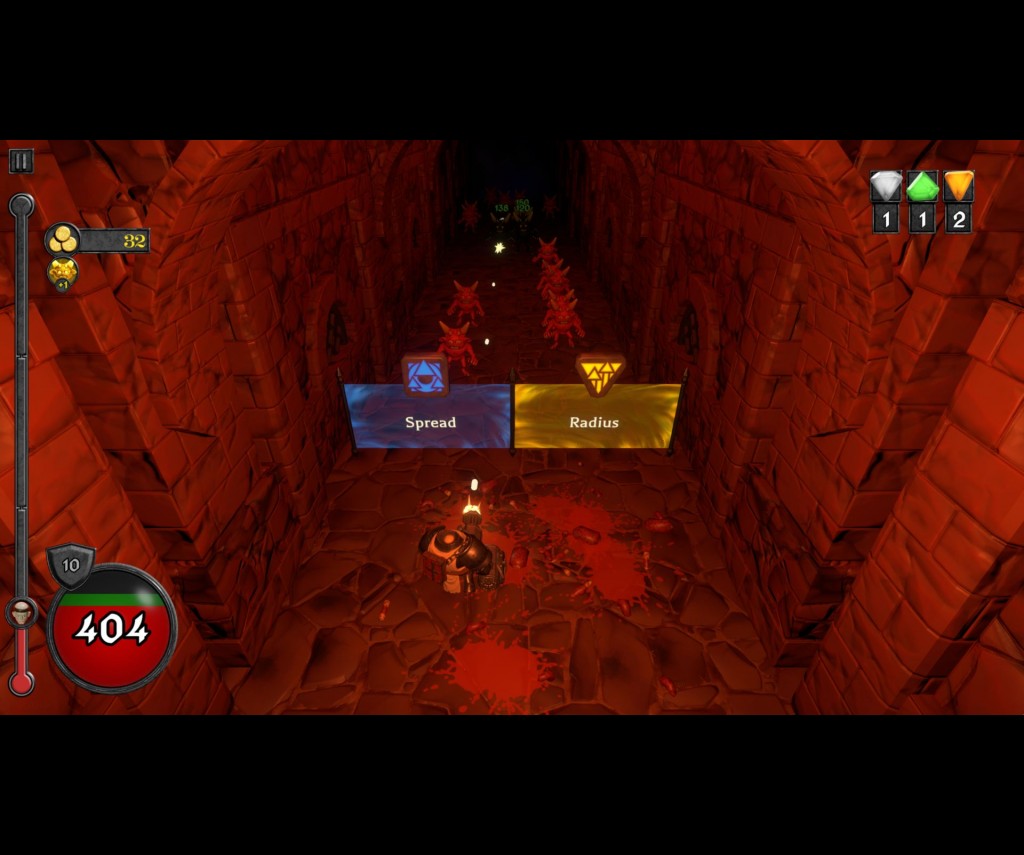
While the game remains the same, the intended longevity and the whole selling point of the game comes from the upgrades. Every 15 seconds, a dual gate approaches, and players choose whether to go through the left or right side to gain the displayed upgrade. The system is...ok. On one hand, some of the upgrades are pretty neat. There are some elemental effects (lightning, fire) that look and feel strong, and there are a few abilities like supercharged bullets and area effects, but a lot of the time it's a small boost to damage, fire rate, armor, or recovery. While those are important, they're not flashy, and it can take quite a long time into a run to really feel like the character is getting "cool" if the fancier stuff just isn't showing up.
And herein lies an inherent problem facing Korridor. There's a reason those mobile ads are so compelling but never end up being the actual game. Those short clips are filled with dramatic upgrades that show a character going from zero to crazy in a minute flat, which just isn't sustainable. Progression kind of has to be slow, or there's no longevity if you've got 15 guns and are filling the screen with bullets 30 seconds in. It's not really Korridor's fault, but recreating the catchy ads and having to pull back big time on what makes them flashy for the sake of a full game kills part of the draw.
Rogue One
Which segues to pacing. This is a roguelike, where each run is its own thing that starts at 0 and inevitably ends in death, after which something may be unlocked and found again in subsequent runs. These kinds of games really need to go in one of two directions: they need runs that get to the action quickly to beg players to try just one more time, or they need meaningful macro progression to make each slower run feel "worth it." Korridor doesn't really do either one. Each run starts off slow, both literally and figuratively, and it feels like it takes too long to trudge through the early batches of enemies to get to a place where you're making build decisions and trying to progress just a little bit further. Some paths open up opportunities to skip certain levels, but the first one ends up feeling like a slog every time after pushing ahead and falling. Instead of feeling driven to jump back in for one more try, I found myself wanting to take a break before regressing to the beginning. And that's not ideal.
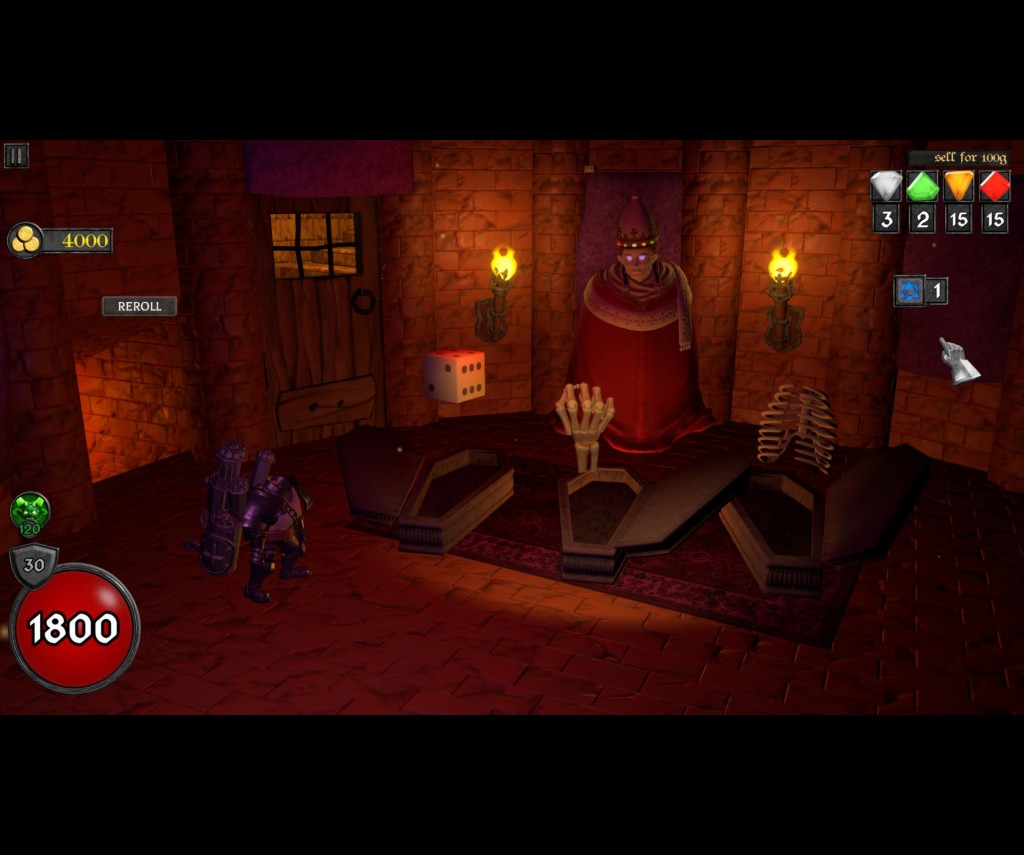
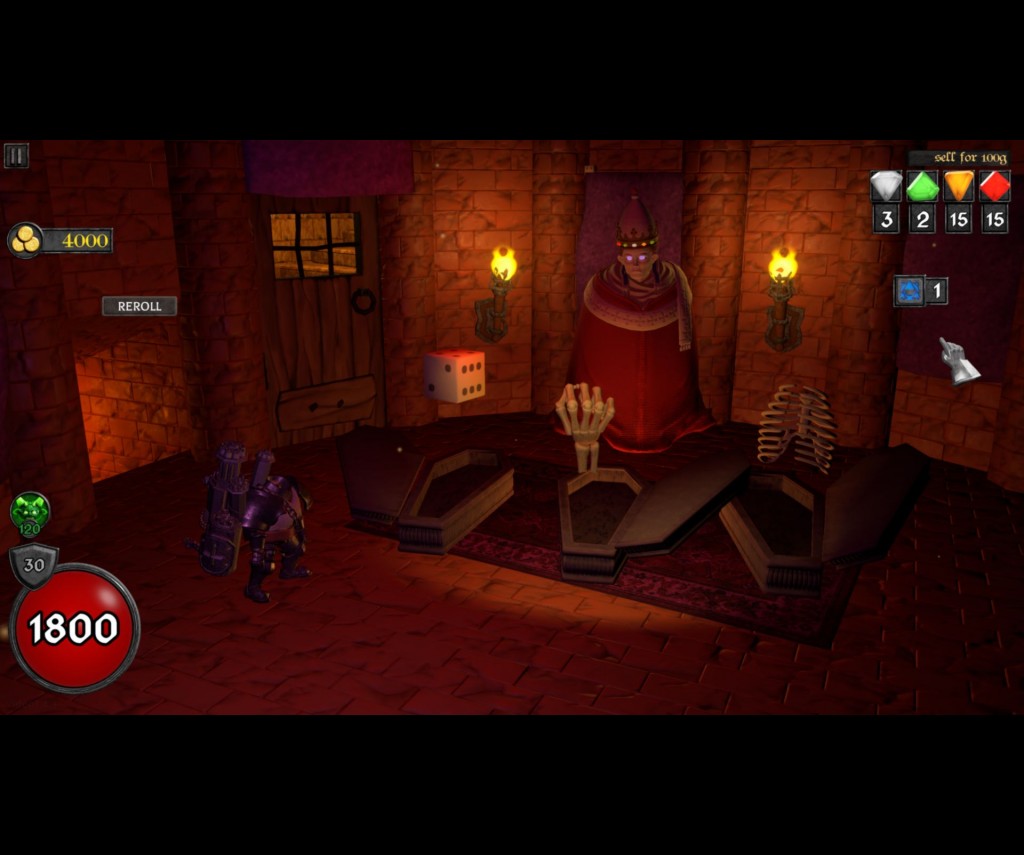
The larger-scale progression mostly comes from unlocking new Runes, which can either unlock specific abilities (the aforementioned cool effects, but also just bundles of positive and negative stat changes). That's fine, but they're just added into the overall pool for future runs and may or may not show up. The runes are important for shaping a build, but without much control over which show up (there's a limited "favour" or "ban" system that helps), it's hard to get too tactical.
Sights and sounds
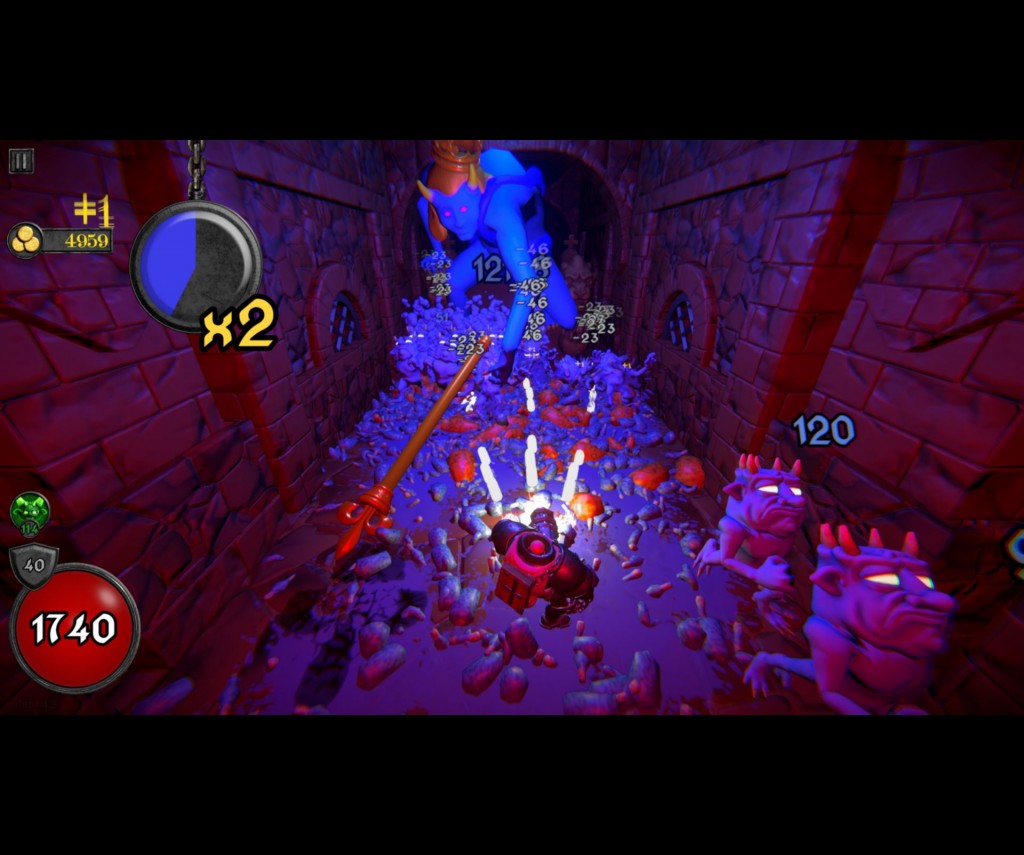
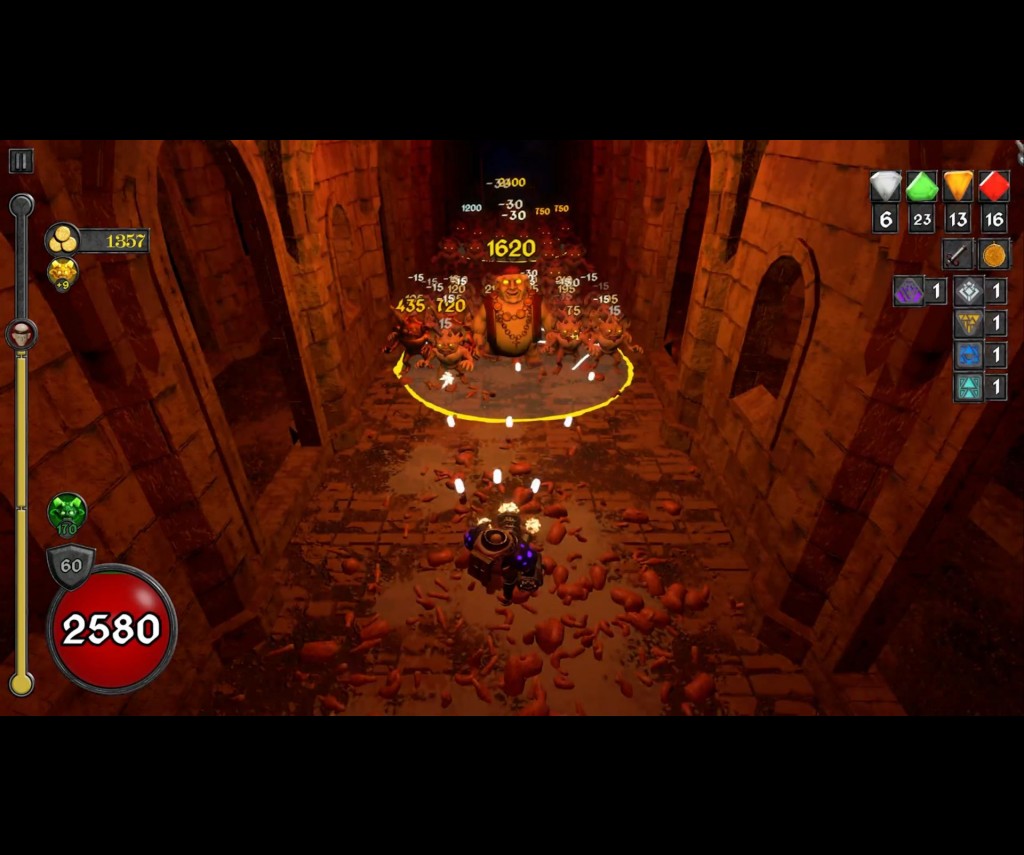
The whole package is wrapped up in visuals and audio that are - like the game at large - a mixed bag of neat and a bit dull. Korridor gets credit for making the most out of environments that are just long, straight hallways. Each level has a distinct theme, vaguely inspired by various medieval conflicts. Each one also has a unique array of enemies, accented by a few staples that appear throughout and grant specific bonuses when taken down. The visual fidelity isn't particularly impressive, and the animations are barebones, but it's fine when dozens or hundreds of enemies are on screen at a time. Each stage also ends with a unique boss, and each one has a fun little gimmick that comes with their fight.
The music is good, though. There's some heavy metal that ramps up with the levels and is fun during the "epiphanies" that throw hundreds of enemies at the player while also boosting their offensive output. It's always the same music at each level, so I did get a bit tired of the early stuff, but stitch is life.
As someone who's been regrettably entranced by phony mobile game ads, I love that Korridor tries to bring them to life. The action and upgrades can be frantic and fun, but the overall experience is also a great example of why those ads never end up being the real game. Those concepts are fantastic for 15-30 second clips and much harder to stretch into a full-length game that remains compelling throughout. Korridor certainly isn't bad, but I never felt it fully clicked into something completely good. There are worse ways to spend some time if some fairly mindless bullet-hell blasting is up your alley.
As always, follow Hooked Gamers on Instagram for news updates, reviews, competitions and more.
5.5
fun score
Pros
Some upgrades are quite fun, good visual level diversity.
Cons
Runs start off slow, many upgrades are rather dull stat bumps.