Assassin's Creed Black Flag Resynced


Review
A pirate life for me
by William Thompson
reviewed on PC
Returning to the Caribbean
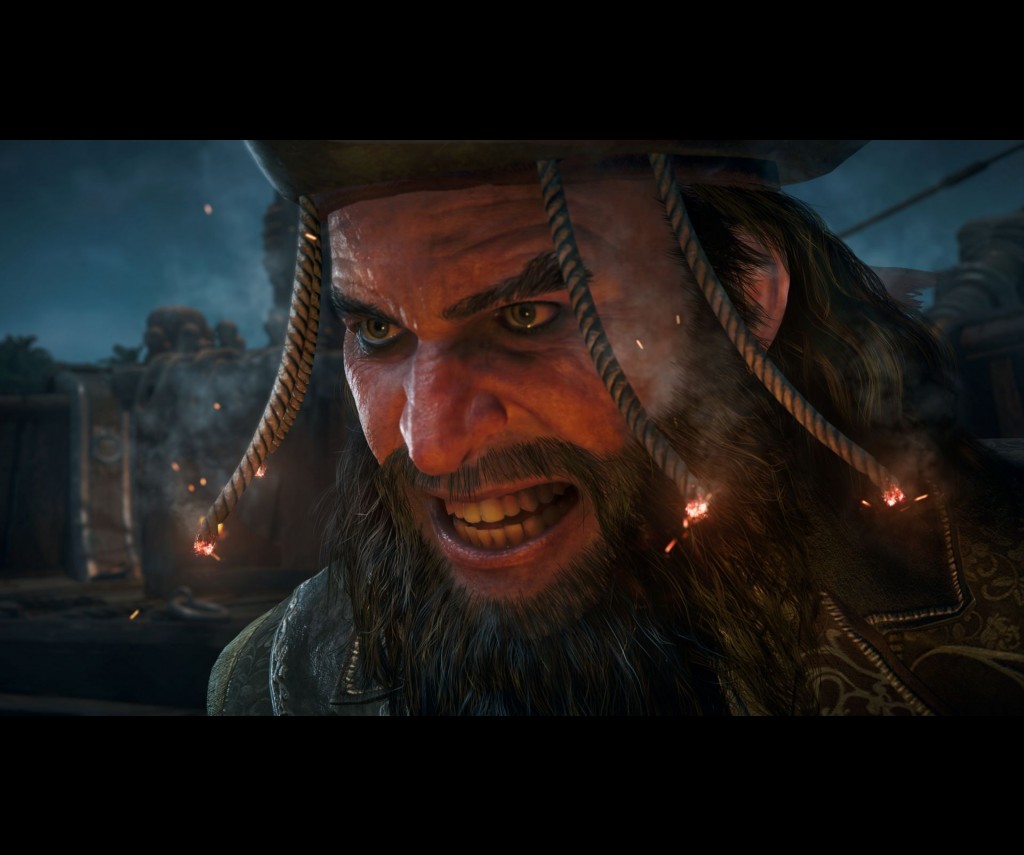
When Assassin's Creed IV: Black Flag sailed onto consoles and PC back in 2013, it quickly established itself as a high-water mark for the franchise. The brilliant synthesis of roguish golden-age piracy, expansive Caribbean waters, and traditional stealth created a cultural phenomenon that was arguably way ahead of its time. Personally, it was the Assassin's Creed title that I played the least back then, not because I didn't like it, but because as a game reviewer, I was simply buried under other review assignments when it released. So when this modern remake was announced, I made absolutely sure to clear my schedule to hit the virtual high seas as one of the series' most beloved characters, the rebellious pirate captain Edward Kenway. Developed by the team at Ubisoft Singapore, Assassin's Creed Black Flag Resynced is a spectacular remake built on the latest Anvil engine, honoring the nostalgic soul of the original while completely transforming the mechanical scaffolding beneath it.
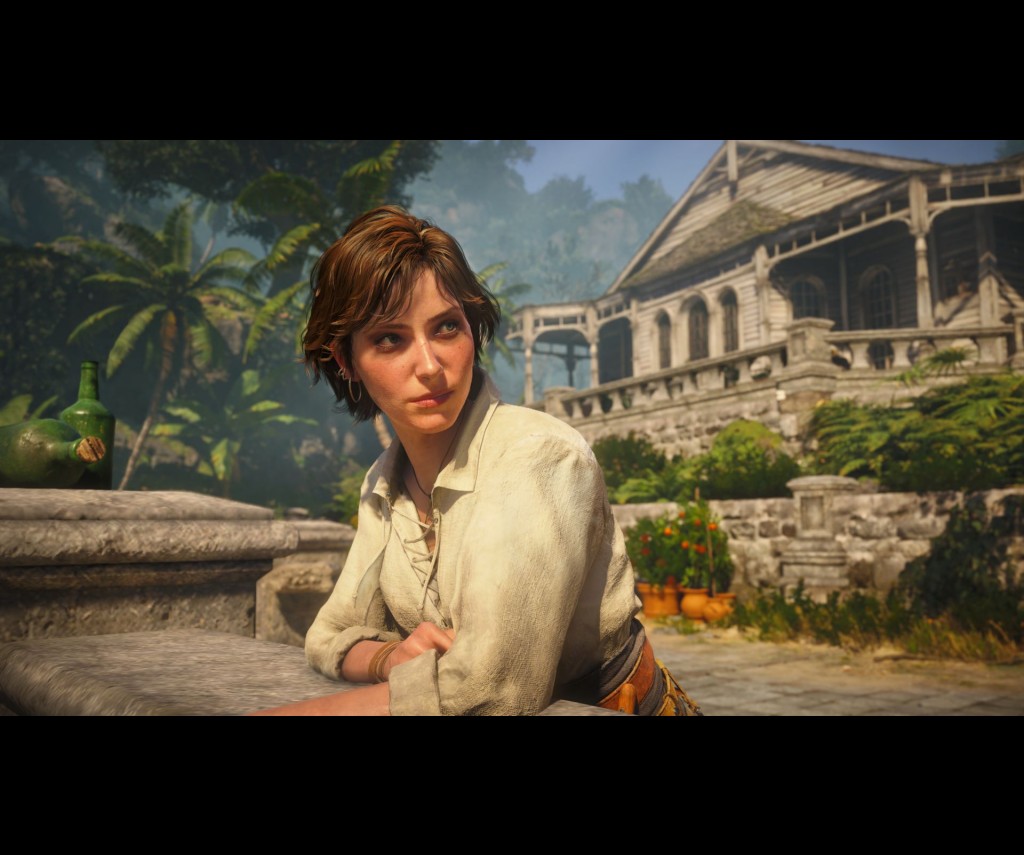
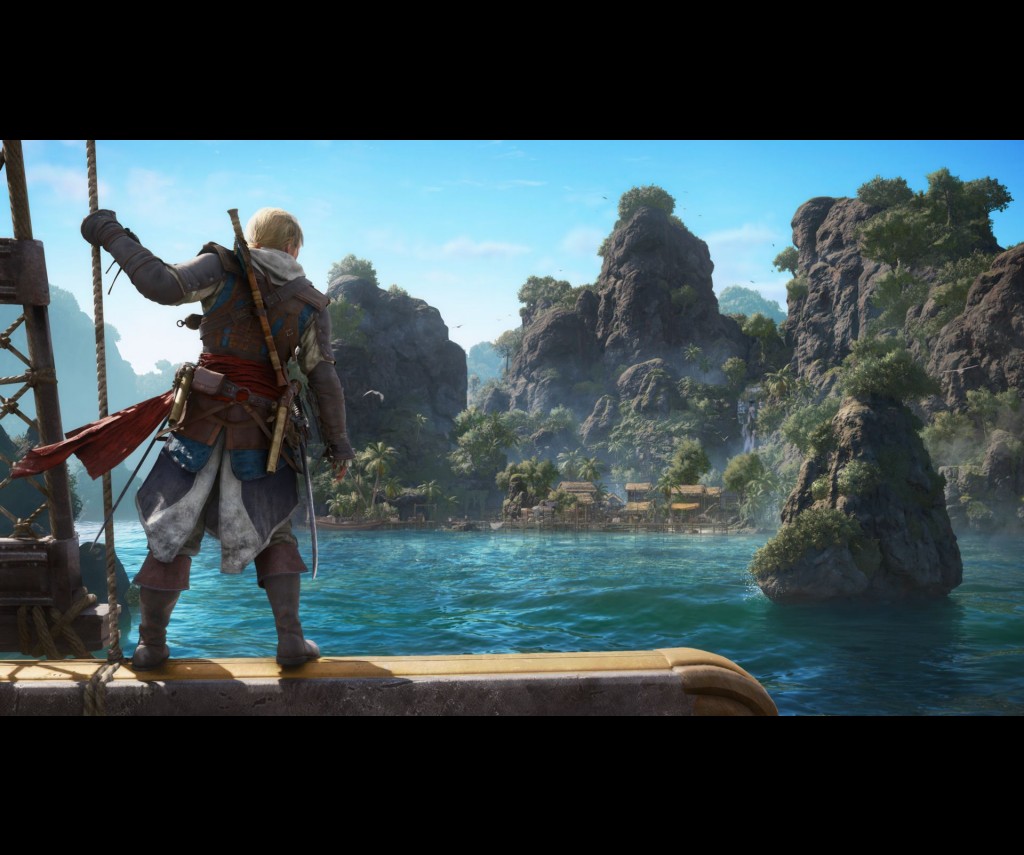
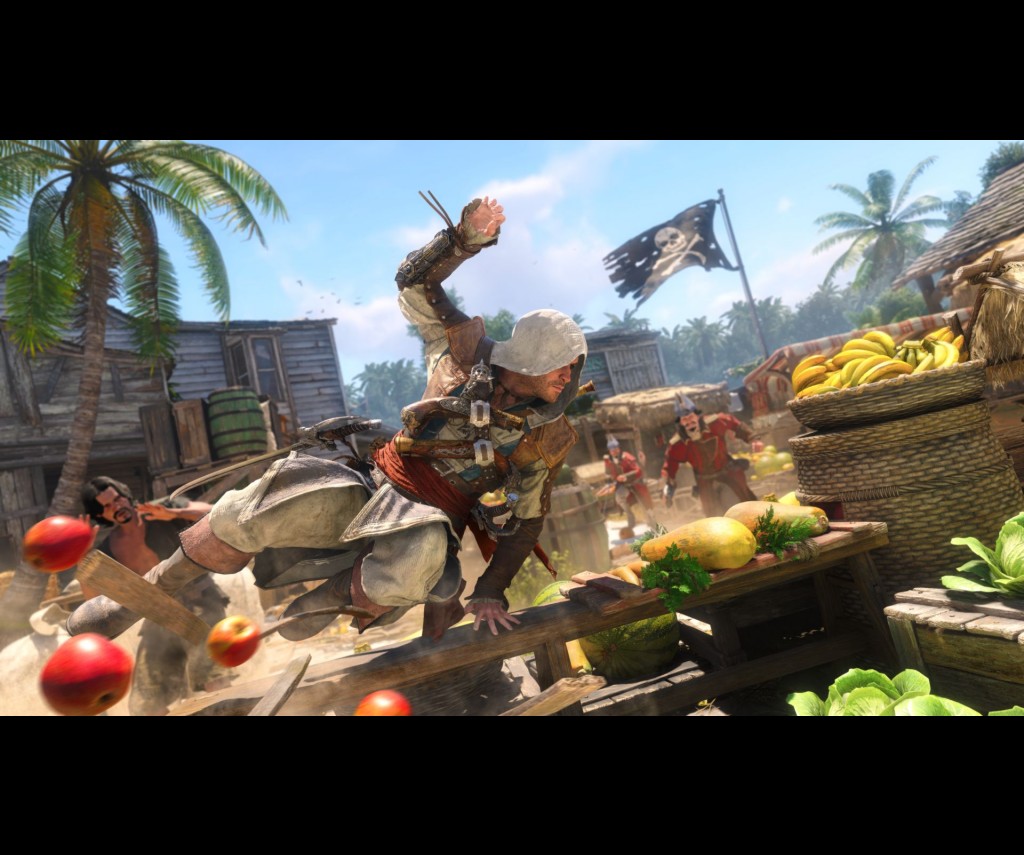
The absolute headline feature of this remake is the dramatic visual overhaul. Powered by the latest iteration of the Anvil engine, the game looks right at home as a modern current-gen title. The Caribbean has never looked more breathtaking. From the lush, rain-slicked jungle canopies of Tulum to the sprawling, vibrant streets of Havana, everything feels dense, tactile, and alive. Leveraging modern tech like ray-traced global illumination, the dynamic lighting creates unbelievably realistic color bleeding between outdoor environments and dark cavernous interiors. Perhaps the most welcome change for returning players is the total elimination of loading screens when transitioning into major hubs, allowing you to drop your anchor, dive off the side of your ship, and sprint directly into a coastal city seamlessly.
Parkour and exploration
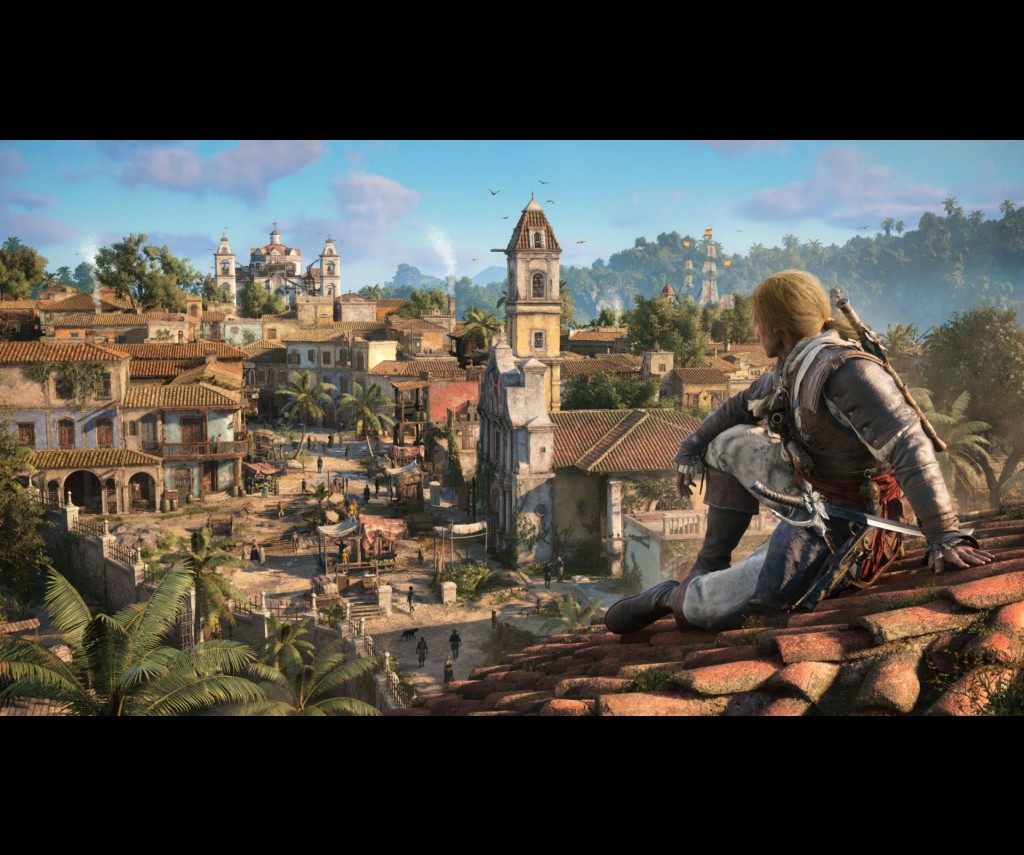
In classic Assassin's Creed fashion, one of the most vital and satisfying aspects of exploration remains climbing the highest peaks within each location to synchronize viewpoints. Doing so provides a magnificent bird's-eye view of your surroundings, which looks particularly stunning during different dynamic times of the day. Beyond the pure visual spectacle, synchronizing a viewpoint actively reveals nearby side quests, secrets, and collectibles on your map, while simultaneously unlocking crucial fast-travel nodes to help you navigate the massive Caribbean archipelago. The main map has also been smartly modernized. Rather than drowning players in an intimidating sea of icons, it uses a proximity-based discovery system that rewards organic exploration over mindless checklist ticking.
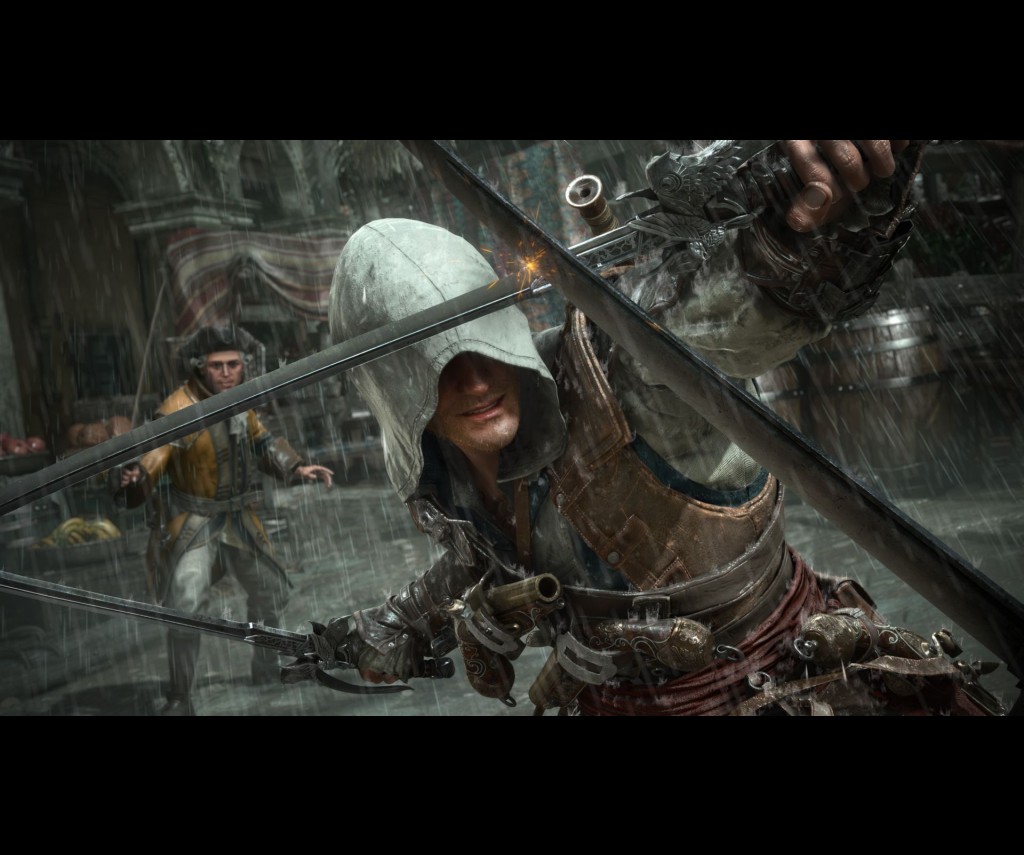
I have always loved the stealth aspect of Assassin's Creed, and this remake treats that preference with immense respect. Much like my time with Assassin's Creed Mirage, I found myself spending hours navigating towns from above, parkouring across rooftops to bypass patrolling guards and avoid unwanted confrontations entirely. The parkour pipeline has been retrofitted with manual jump mechanics and quicker move interruptions, allowing for swift escapes when needed. Stealth on the ground receives an equally monumental upgrade through the addition of a dedicated manual crouch button, which massively alters the pacing of infiltration. Edward can now fluidly slip behind low cover, utilize a new dynamic visibility meter influenced by day, night, and weather states, and strike from the shadows with unprecedented control. Torrents of rain actively mask your presence, giving you a distinct advantage during nighttime fortress raids. However, the AI seem to be far more refined, noticing when one of their own is missing, or is lying unconscious on the ground. Classic tools like sleep and berserk darts make a welcome return, but they are now joined by minor, clever interactives like throwing coins to manually manipulate guard paths.
Swordfighting and sailing
When you do have to involve yourself in some inevitable fisticuffs or swordfighting, the mechanics work incredibly smoothly to deliver fluid, responsive combat. The core encounters put a heavy emphasis on timing and posture. In between slashing and parrying, Edward can aggressively kick opponents onto walls and perform sweeping leg-sweeps to knock foes to the ground, gaining a swift tactical advantage over his targets. Executing a perfect parry opens up windows for iconic, fatal chain takedowns that let Edward slice through enemy ranks with terrifying grace. It is still unwise to take on too many enemies at once though.
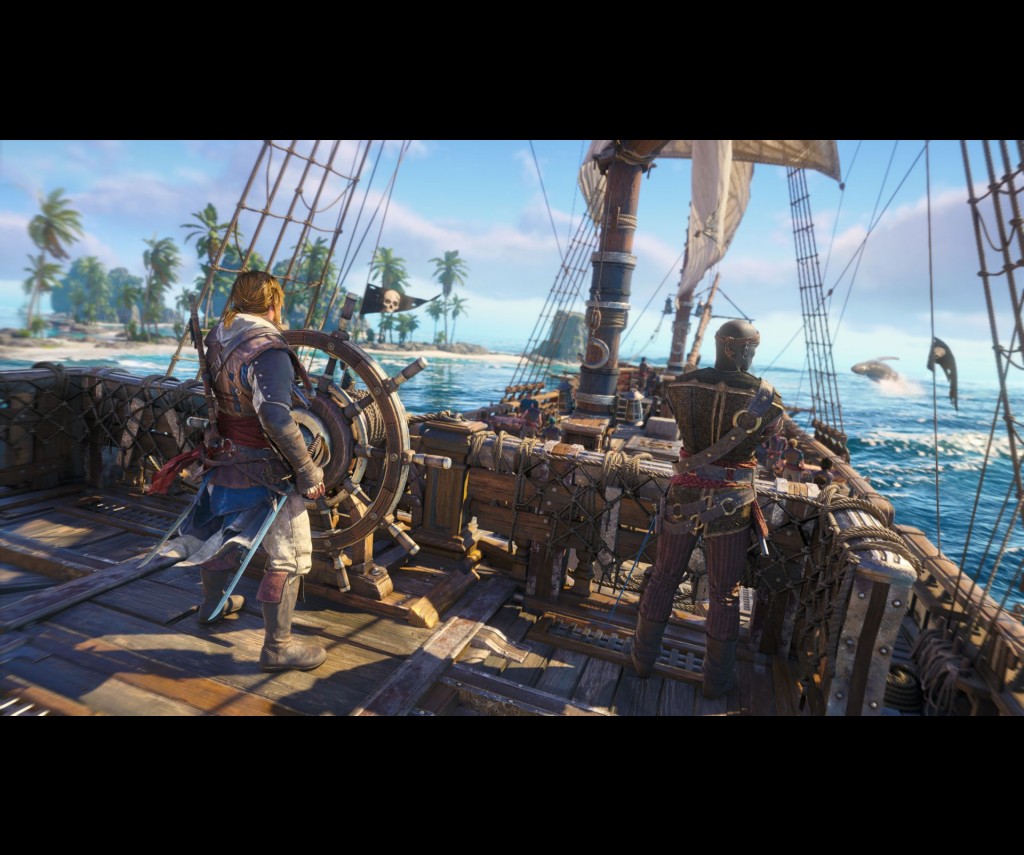
Of course, half of the Black Flag magic lives on the open ocean, and sailing the Jackdaw is outstanding. When you first take command of your ship, it comes as a fairly basic craft—just powerful enough to defeat lower-level enemy vessels. However, as your notoriety builds and you venture into deadlier waters, it becomes readily apparent that a bare-bones ship will not cut it against tougher, more aggressive opponents. Upgrades are absolutely necessary for survival. To enhance your hull, cannons, and storage, Edward must sail the seas and plunder the necessary raw materials, which you then deliver to a shipwright to complete the enhancements. Along with completing these vital upgrades to your vessel, players will also regularly craft items to improve Edward's personal equipment, boosting his health and unlocking bonuses that complement different playstyles.
The naval warfare itself boasts terrifying new tactical versatility once fully upgraded. Broadside cannons can be configured to fire rapid, heated shots; the mortar can unleash devastating carcass bombs; and fire barrels can be upgraded into explosive shrapnel traps. Even the iconic swivel guns have been overhauled to feature manual aiming, bringing an engaging level of precision to high-seas skirmishes. The loops are deepened further by recruiting unique naval officers, such as Lucy Baldwin the Shipwright, who unlocks distinct passive ship perks like a perfect bracing mechanic.
Storytelling
This mechanical depth ties perfectly into the expansive six hours of brand-new narrative content woven cleanly into the package. Beyond the iconic core campaign detailing Edward's emotional transformation from a selfish, wealth-chasing privateer into a mature man of purpose, Resynced adds an eight-mission endgame narrative titled 'A World Without Gold'. This post-game chapter charts Edward’s hunt for the antagonist Maynard, offering a beautifully poignant, closure-filled conclusion that was entirely absent in the original release. For modern franchise fans, the game also acts as a bridge to a broader ecosystem via the newly integrated Animus Hub, which introduces optional, deeply fascinating "Rift" missions that explore reality-bending "what if" scenarios for Edward's timeline.
Ultimately, Assassin's Creed Black Flag Resynced is exactly what a modern remake ought to be. It strictly preserves the thematic emotional weight and high-seas romance of Edward Kenway's original journey, while aggressively updating the mechanical interface, crafting systems, and visual presentation to modern standards. It is an essential, swashbuckling triumph for franchise veterans and newcomers alike.
As always, follow Hooked Gamers on Instagram for news updates, reviews, competitions and more.
8.8
fun score
Pros
Smooth combat and parkour movements, great additions to the original story
Cons
Accidentally bumping into people when moving throughout towns