The Sinking City 2
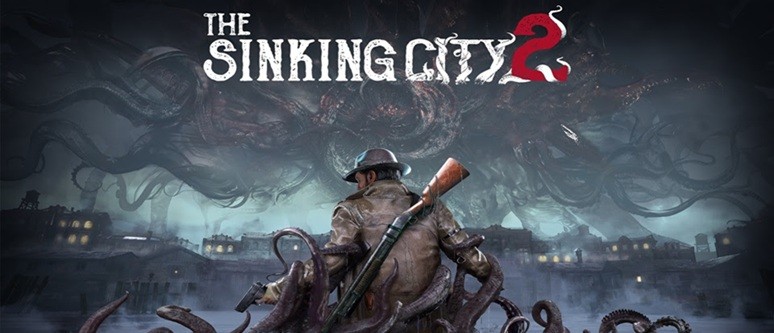

Review
A rookie survival horror game attempting to learn important lessons from a veteran detective game
by Jordan Helsley
reviewed on PC
In Medias Res
Cal Rafferty is having a bad time in his apocalypse. Arkham, Massachusetts has become a ghost town as people evacuated in droves to avoid both the city-swallowing flood and worm-like 'Slither' that are reanimating corpses. But an occult ritual gone awry has left his beloved girlfriend, Faye, with a mysterious mask and in a comatose state for weeks, so Cal remains. The amateur detective sets off to get another, presumably better, occult book to undo Faye's predicament, and will deal with the rest afterwards.
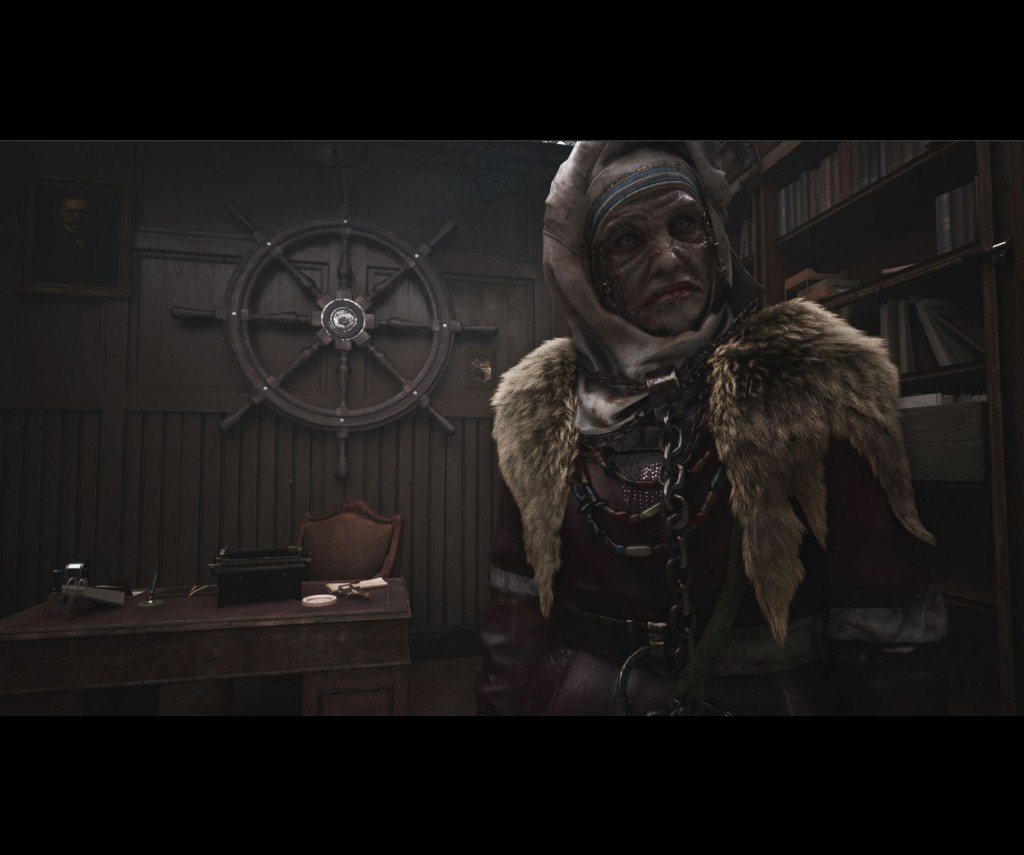
The story is a strong point for The Sinking City 2. The relationship between Cal and Faye, and their exploits as a couple that led up to that inciting incident, is primarily what grounds the story here, while the Eldritch horror of it all works to inform their actions and set the stage. It is a bit of a shame that most of that relationship comes from expositional dialogue due, in part, to the aforementioned coma, but also because we skipped through experiencing that firsthand. We skipped their version of The Sinking City 1. Plenty of that backstory is integral to the story at hand, particularly with the mystery coma-causing ritual, but there remains a missed opportunity to showcase these characters together in full leading up to that moment. Luckily, the character building we get is enough to carry this story through its roughly eight-hour runtime, and when it wraps up, it feels like a purposeful omission rather than a mistake. It just feels back-loaded and rushed at the end, feeding a lot of backstory to the player in the final chapter.
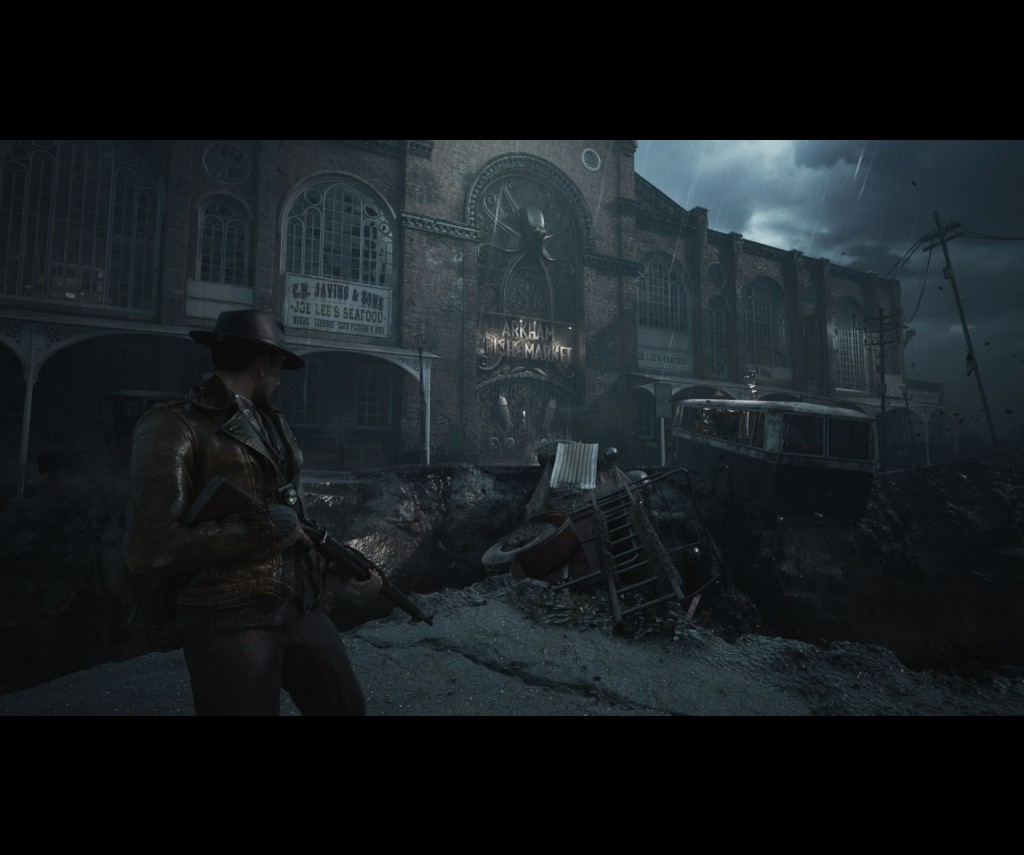
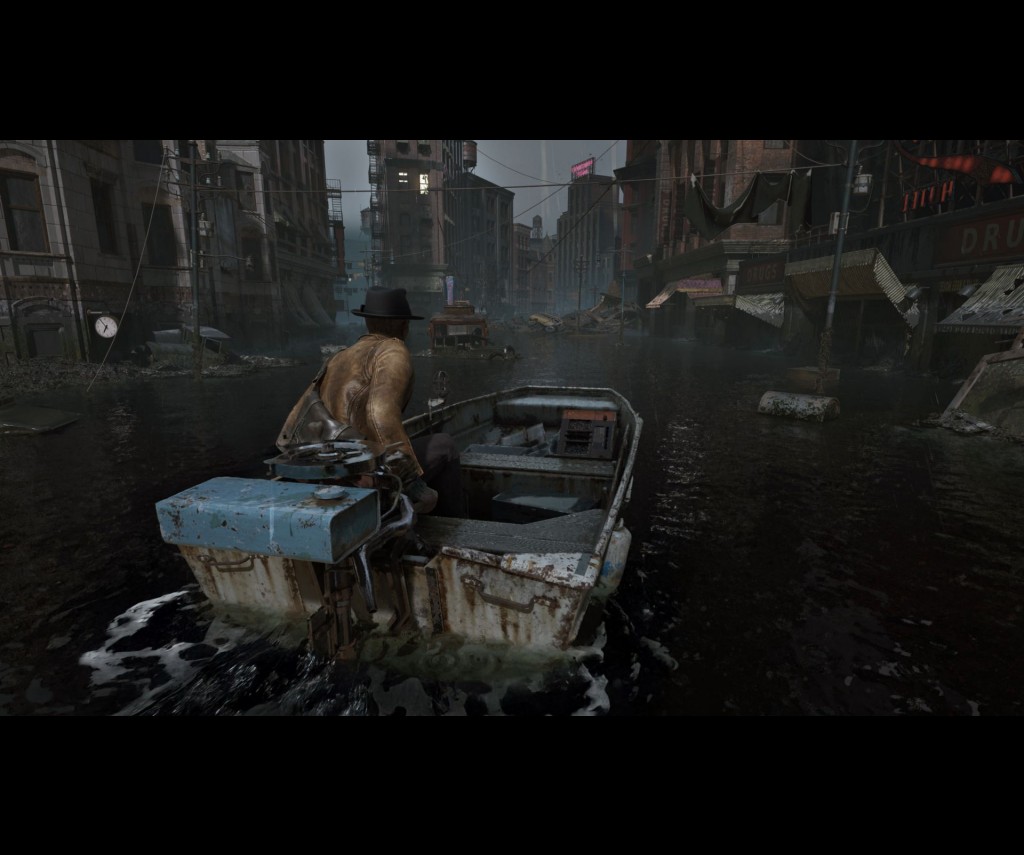
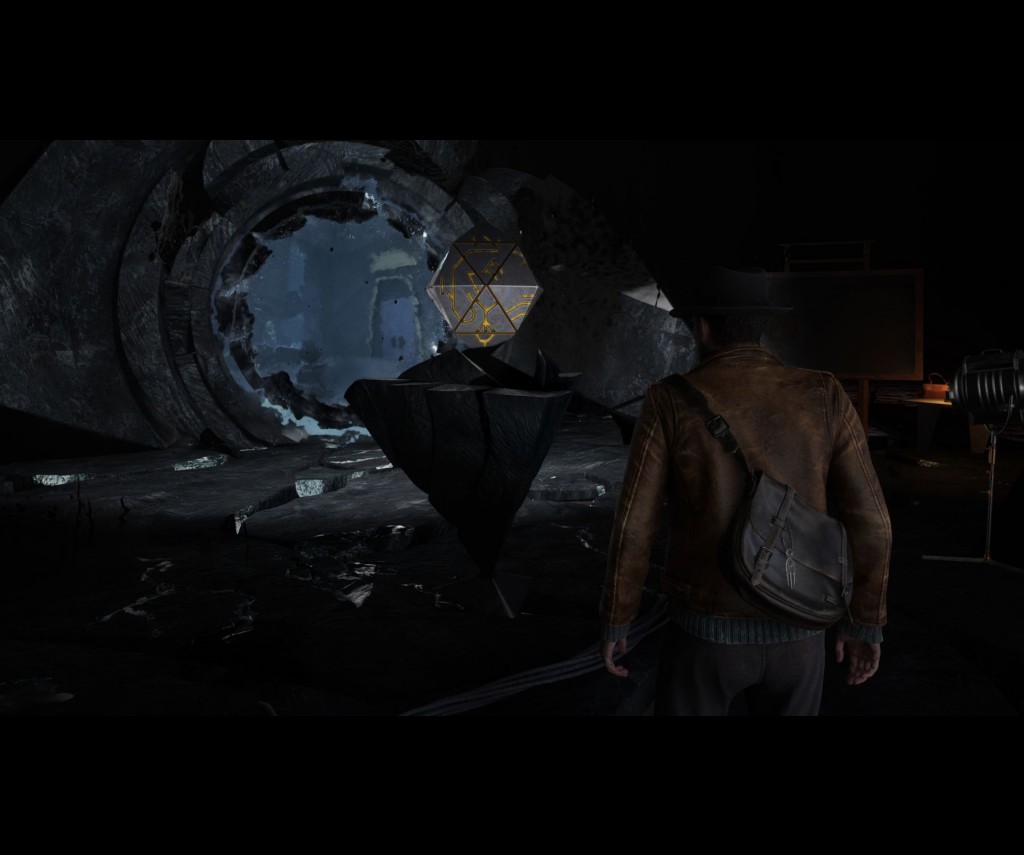
The city itself is telling a complementary story the whole time. Environmental design adeptly conveys the society that was lost and how the citizens handled the rising waters before they gave up on fighting en masse. There's a fancy hotel hosting an End of the World party, waterways that have post-flood civil engineering to accommodate daily life, and landmark buildings repurposed by the few holdout residents. It is often reminiscent of Bioshock with its depiction of a ghost town taken over by hostiles, and very few friendly faces. It's all further complemented by a litany of notes to find, both purely informative and investigation-based, and the city's last radio DJ making mostly futile broadcasts, all of which feel more natural than the usual contrived audio log style implementations. The side-quest-like investigations are where a majority of the game's puzzles are, too. Many of them are satisfying, forcing the player to piece similar information together (with no guidance on the harder difficulty) and examine that information in its totality for solutions. Others were obvious, to the point of solving them with two-thirds of the required information. I should also note here that The Sinking City 2 is the only game I can recall that can kill the player simply for failing a puzzle. To penalize the player for attempting to brute-force solutions, many puzzles can administer some sort of damage for a wrong answer. I found this out the hard way by getting one wrong when my health was lower than the arbitrary health indicator led me to believe it was.
Visit Beautiful, Unsettling Arkham
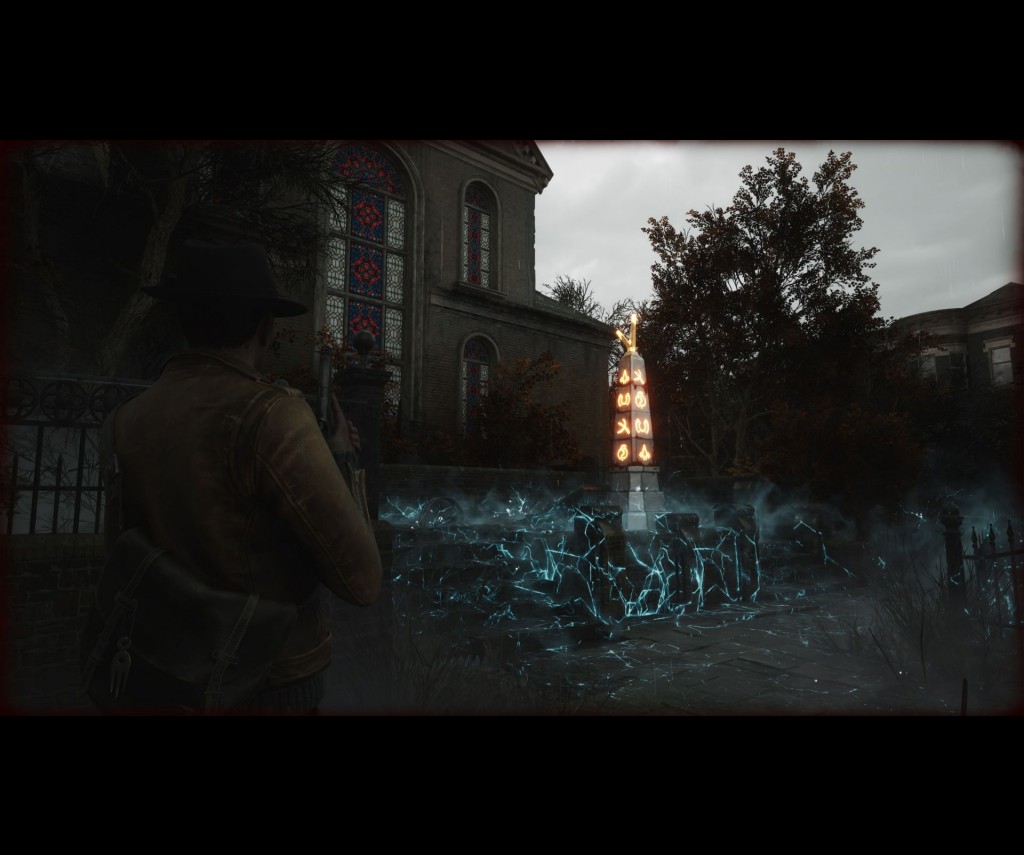
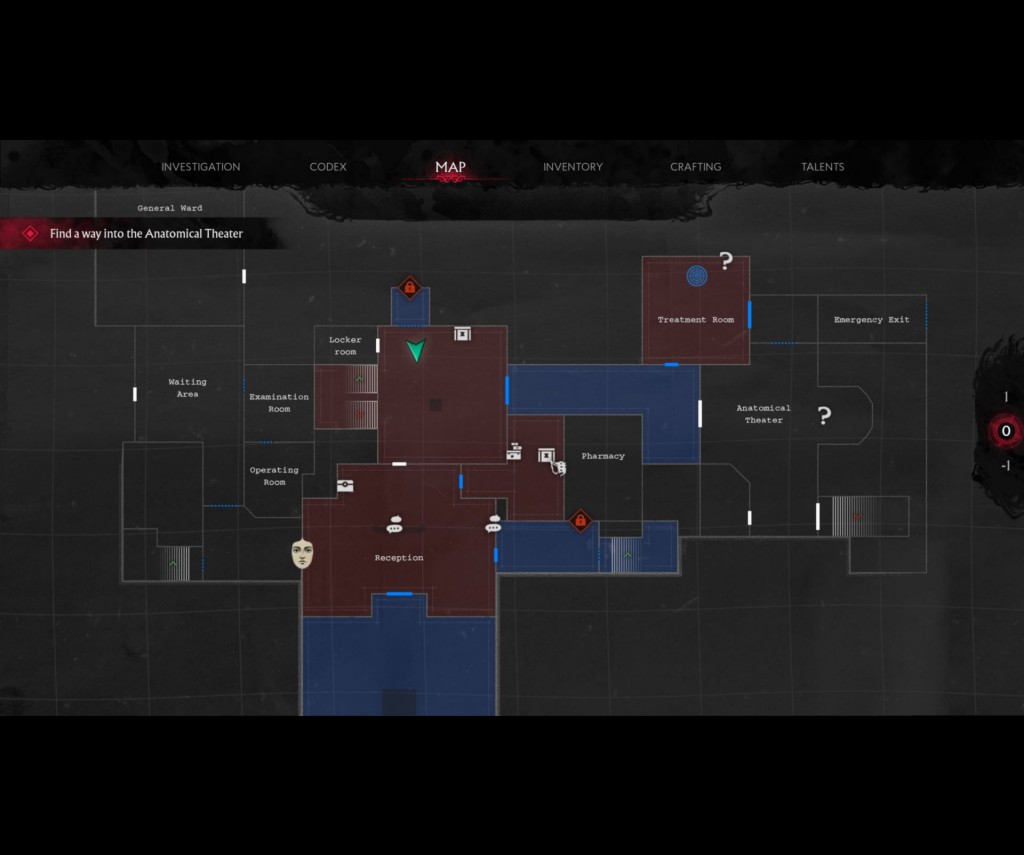
Environmental storytelling wouldn't hold up quite as well without the stellar design that The Sinking City 2 has. Each area is distinct in presentation, from the flooded streets themselves to a printing warehouse to the previously mentioned hotel, while still feeling cohesive in their unsettling atmospheres. They also feature a quasi-linear layout. Opening locked doors from one side provides a shortcut for backtracking when necessary. The varied environments make navigation easy, even without the in-game map. Really, you mainly use that map to check that you've cleared all the items out of rooms, or maybe to check for a particular room name. Most of the available space is touched by the through-line progression, and the drive for exploration that the game invites with investigations or design handles the rest, so there's not a lot of hunting for hidden places, for better or worse.
The graphical fidelity helps, of course, because the game looks very good, and really only significantly struggles with facial animations. The voice acting and writing combine to keep everything believable, but it was hard at times to separate an awkward look on a character's face from the seriousness of the line they were delivering. Overall, that's the only blemish on the presentation. The audio of each space adds to the atmosphere and never feels overdone in a "listen to all these spooky noises" way. Similarly, I never ran into any technical problems with the game on PC, not even any graphical glitches. Sadly, the game isn't ready for the Steam Deck, though, as it struggled to hit 25 FPS and was downright ugly on top of that.
Frustrating Fighting
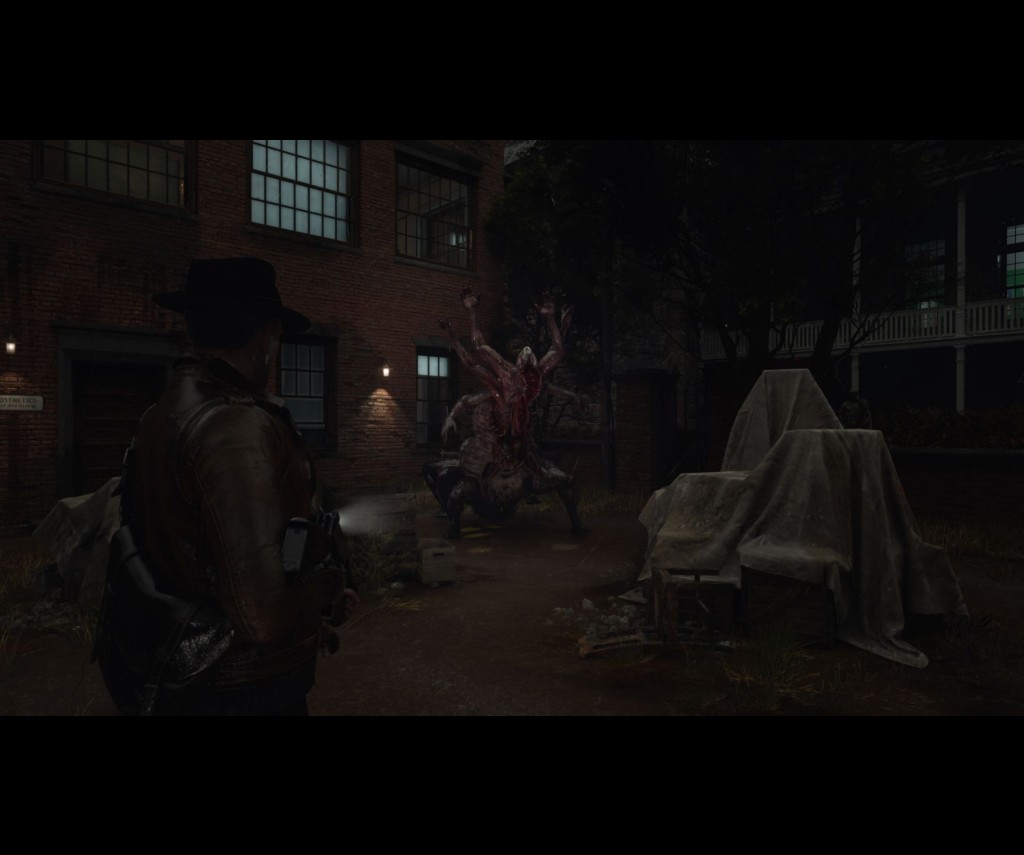
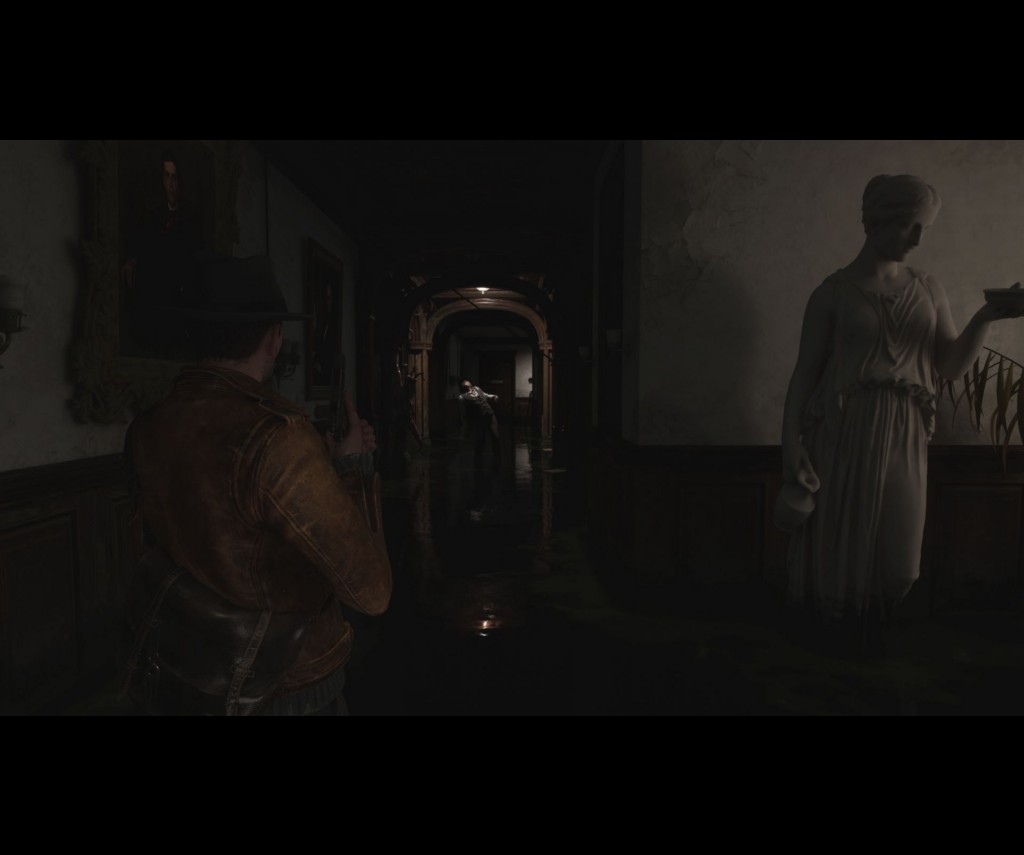
While the locations that Cal visits are foreboding in their own right, they're usually filled with monstrous enemies to fight, too. And there are a lot of them. The Sinking City 2, in its attempt to add more horror to the mix, overloads the player at several points, both in enemy quantities and jump scare attacks. These moments quickly became annoying on normal difficulty, and downright unfair on harder ones (of which there are two). Just like any survival horror game worth its inventory space, ammo is as limited as storage, and fight-or-flight plays into every encounter. The game really wants you to choose flight. Cal's generous dodge move helps with that, but far too often shambling bodies clog a hallway, and some enemy, either on screen or off, will latch on, triggering a quick-time event. To make matters worse, while they'll eventually hit a gated point and stop following you, re-entering the area alerts every enemy simultaneously to abandon their idle patrols and move towards the player again. And did I mention you'll be going through these areas multiple times?
The combat is not strong enough to fight large groups reliably. The "shoot them in the knee" tactic works if you can get around the enemy afterwards, but the difference between that and dodging is negligible. Weak spots bubble up on the basic enemies (usually; I had quite a few that never got one, which I assume were glitches) and inflict maximum damage when popped by a bullet. As they shamble and dodge, it becomes genuinely hard to hit those spots, which makes for a tense moment in moderation, or in open spaces. A few too many moments of getting grabbed from behind, or by the jumping spider-like creatures designed to maximize annoyance, forced me to awkwardly dodge my way through the back half of the game to save my own sanity.
It's safe to say I enjoyed the combat very little, but its issues peak during boss fights. Most of the boss fights (except for the last) are a slog that involve sprinting around an arena to avoid the boss and the ads, while taking pot shots or scrambling for respawning supplies for an extended period. As thankful as I was for the endless stream of ammo, crafting materials, or healing items during those fights, I wanted each of those fights to end so badly I never even seriously considered gaming them to stash up on specific items. That might help a bit, because the game doesn't seem to have much behind-the-scenes balancing to feed the player particular items in the primary spaces. I ran out of ammo often, and Cal's feeble punch/pistol whip simply would not cut it. Neither was the game's lone "melee weapon." The shotgun has an upgrade that adds an axe head, which allows a single swing following a shot. That swing missed every single time. It honestly felt more effective to "stomp" a standing enemy than swing at them. It's telling that the easiest difficulty has an invincibility toggle, and it's not because of difficult-but-fair design.
Diminishing Returns
When the final boss goes down and The Sinking City 2 wraps up, it invites the player to go through the story again. A Resident Evil-like "store" which allows early weapon access and infinite ammo unlocks for completing challenges, signals that multiple playthroughs could be worthwhile. Unlike the system that inspired it, though, these unlocks add nothing tangibly new to the experience. There aren't any exclusive weapons that require a reasonable amount of grinding to acquire, or even a selection of fun challenges to go after. After my initial playthrough I naturally acquired enough points to get what I would consider the optimal purchases: the SMG and infinite ammo for it (I mistakenly bought the infinite rifle ammo instead, but were I not bone-headed it would have been optimal, at least). Nothing else in the store felt interesting enough to go after. In fact, the most compelling element of a second playthrough is a collection of eight notes that aren't in the initial playthrough, which further characterize both Cal and Faye. These ended up being some of my favorite pieces of lore in the game, which just again highlights how nice it would have been to have more backstory on those two.
As I often do, I followed the story all the way through The Sinking City 2. I enjoyed every location and explored them with my proverbial magnifying glass in hand the whole time. Without those two strong elements, I might have wanted to give up on the game entirely. The combat that is the focus of the genre shift between this game and its predecessor lacks moderation and balance to the point where it sinks below unsatisfying and closer to unfun. Even playing through on easy, with infinite ammo, the enemy numbers and their tendency to grab ahold of Cal are more annoying than anything else. Similarly annoying is the game's tendency to use cheap jump scare grabs as a replacement for something actually scary. It soured the entire experience for me. In sidelining (and as a result lessening) the investigation elements, relegating them to optional side-quests, and focusing more on combat, Frogwares has created a less interesting game. While it was likely a wise directional shift based on broad appeal, it did not work because of the combat's design, which therefore adds nothing to the experience. The ideal version of this game looks a lot more like its predecessor than it does itself. It may be a well-realized world filled with cool locations, but it's completely held back by the act of actually playing the game.
As always, follow Hooked Gamers on Instagram for news updates, reviews, competitions and more.
6.0
fun score
Pros
Good story that focuses on the characters, a city filled with memorable settings, and a few great brain-teasing investigation puzzles.
Cons
Combat is clunky enough to want to avoid entirely, and running away is janky enough to consider fighting, making many enemy encounters deeply frustrating. Boss fights lack creativity or excitement and devolve into running in circles.