Conscript

Review
Heading back into the trenches
by William Thompson
reviewed on PC
Missed the war
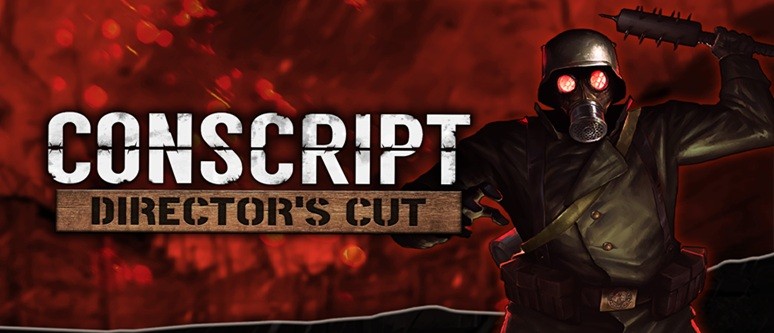
Back in 2024, I watched from the sidelines as Jordan Mochi and his solo project, Conscript, took the Australian Game Developer Awards by storm. Having caught a brief glimpse of the game during a hands-on session at PAX AUS, the buzz was undeniable, yet I somehow missed the initial deployment. With the arrival of the Director's Cut, I finally found the perfect excuse to fix that mistake and head into the mud. What I found was a grueling, atmospheric, and masterfully crafted survival horror experience that trades supernatural jump-scares for the relentless psychological toll of the Great War.
A New Perspective on History
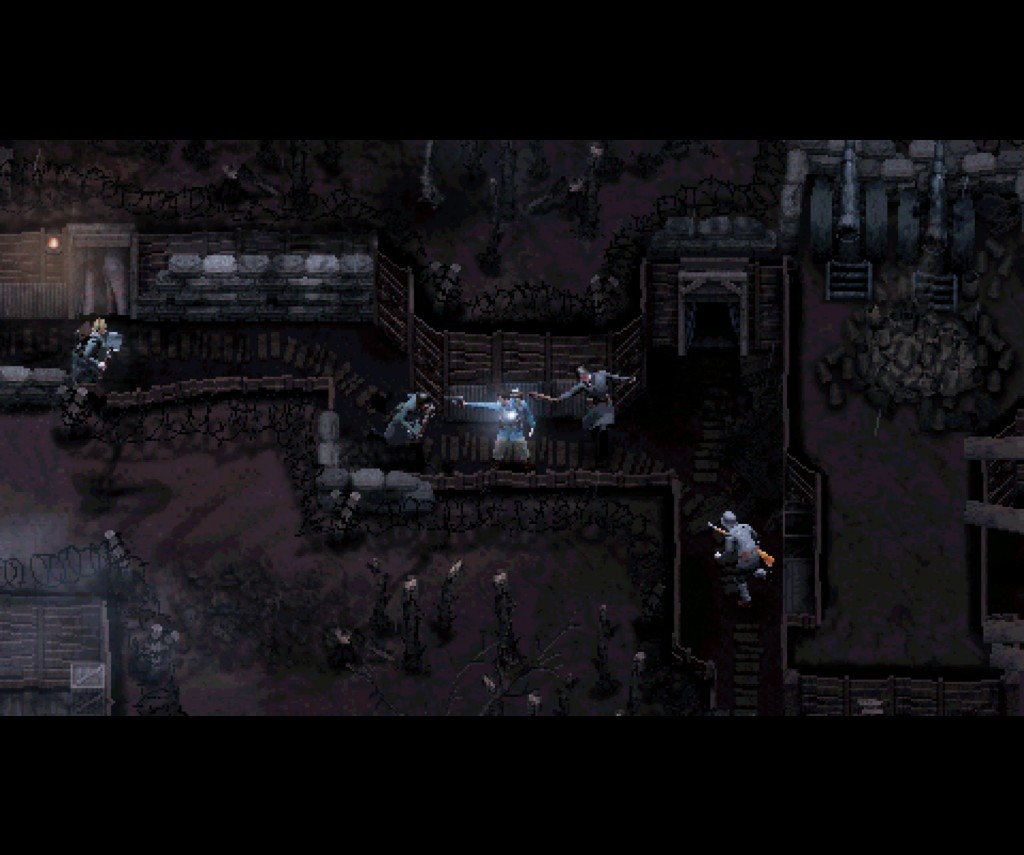
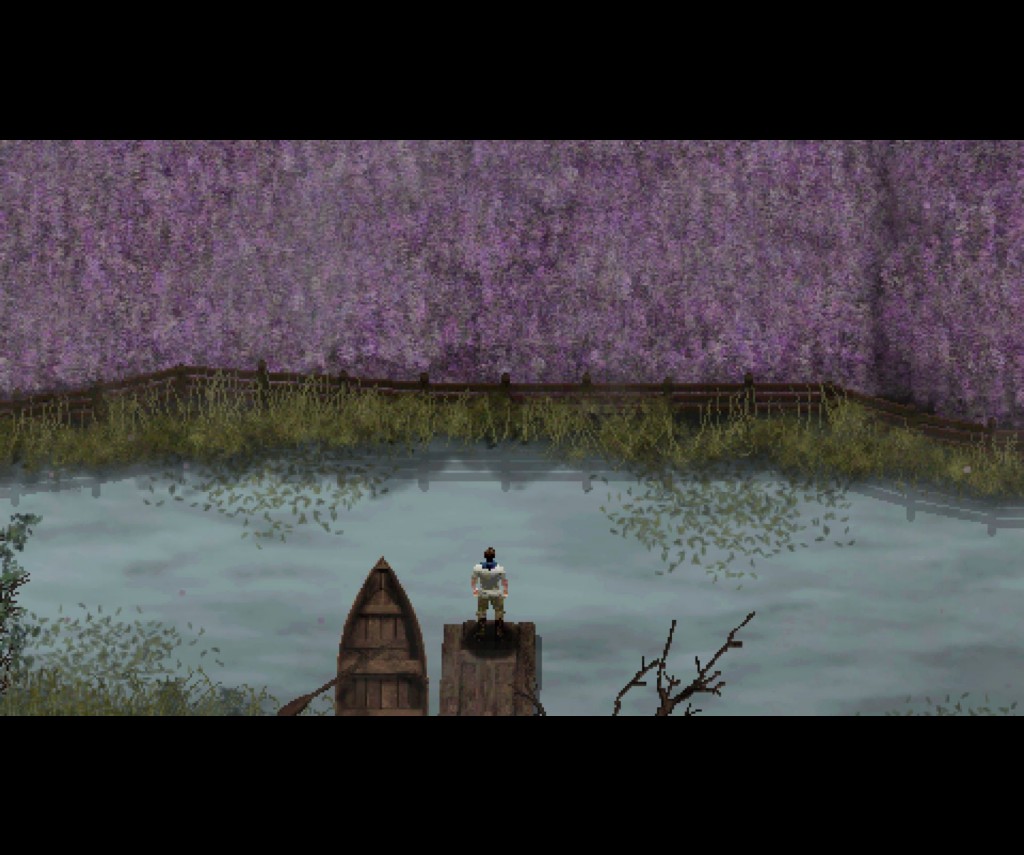
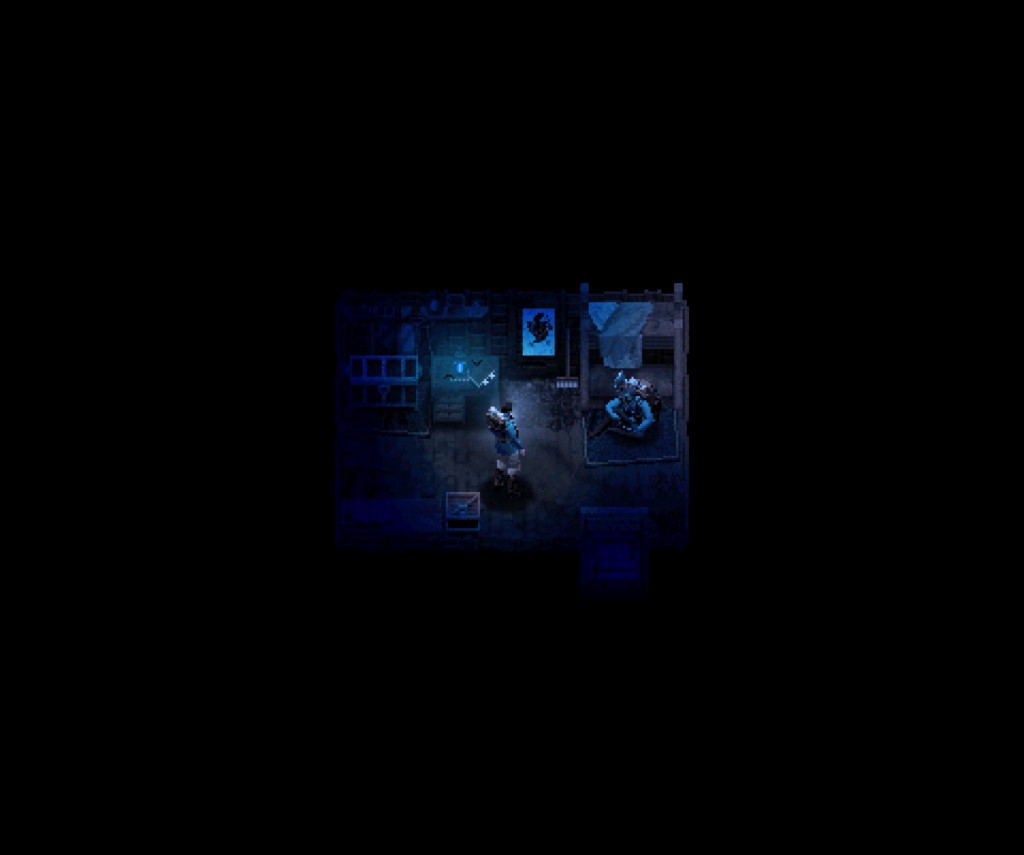
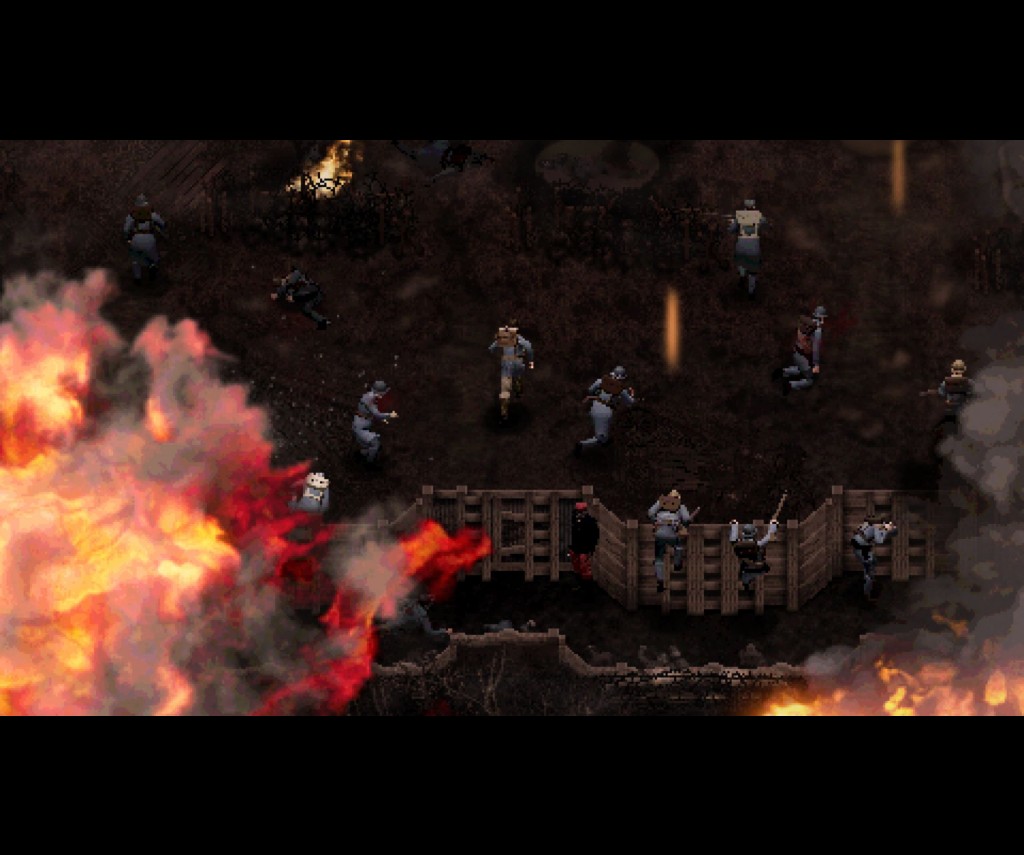
Conscript offers a unique aesthetic and tonal blend that is difficult to pin down but impossible to forget. It carries the isometric perspective one might expect from Diablo, yet it is married to the puzzle-solving grit of Indiana Jones — if Indy were a French soldier trapped in the harrowing meat grinder of the Battle of Verdun. It is a bleak, oppressive setting, rendered in a striking pixel-art style that manages to make the grime of the trenches feel visceral.
The atmosphere is bolstered significantly by a wonderful musical score. It doesn't rely on orchestral bombast; instead, it uses dark, ambient tones to emphasize the isolation and the constant threat of the unknown. The sound design ensures you never truly feel safe, even when the screen is clear of enemies, making every footstep in the mud feel like a potential invitation to disaster.
The Art of Survival
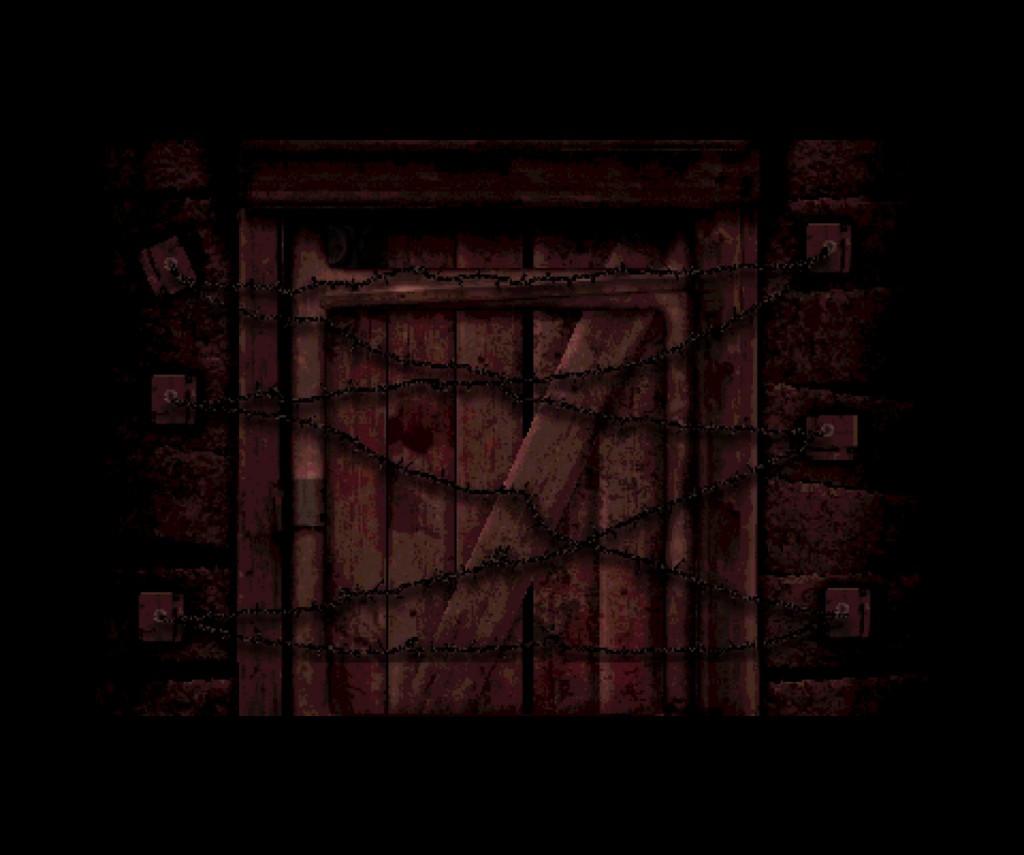
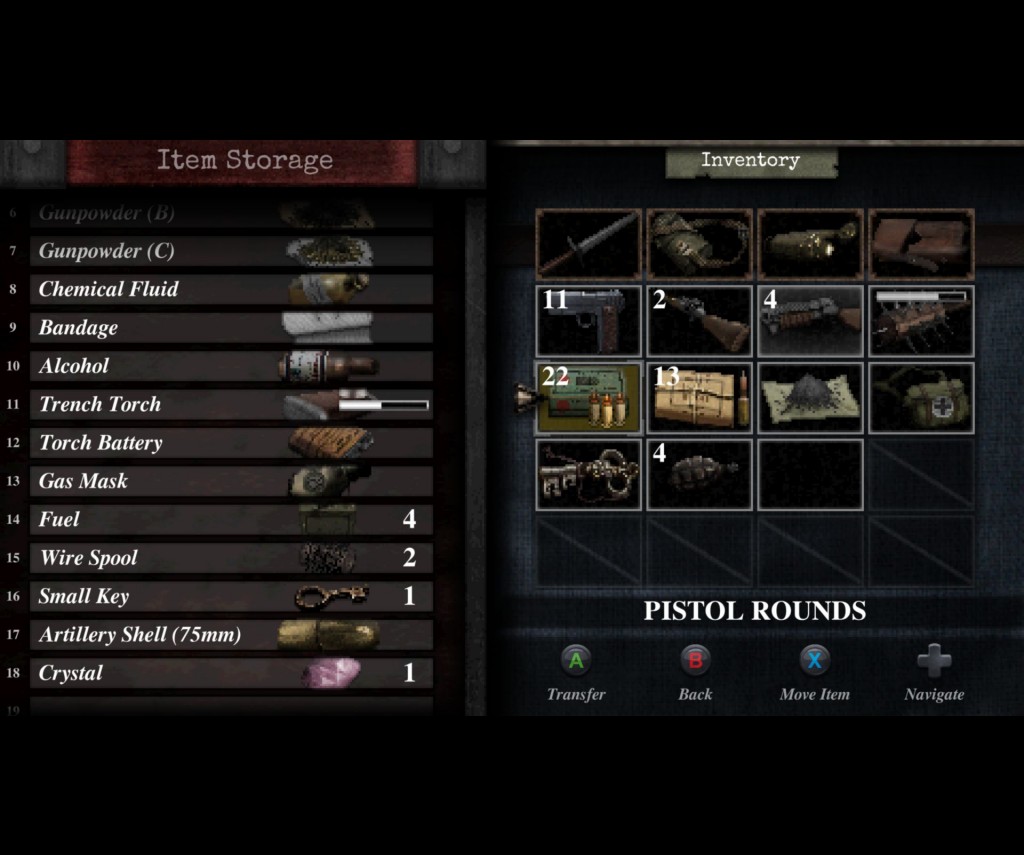
At its core, Conscript is a survival game in the purest sense. Much like the classic survival horror titles of the late 90s, your progress is gated by intricate environmental puzzles and the search for elusive keys. However, the real puzzle is often your own inventory and your willingness to engage in violence.
Resources are punishingly scarce, and the game constantly reminds you that you aren't a super-soldier; you are a man trying to survive a nightmare. This scarcity dictates every move you make. Often, the best course of action isn't to open fire, but to avoid confrontation entirely. The game provides numerous hiding places within its claustrophobic maps, allowing you to remain inconspicuous as enemy patrols pass by just inches from your position. This stealth element adds a layer of tension that turns the game into a high-stakes game of hide-and-seek where the price of being spotted is often death.
Precision Under Pressure
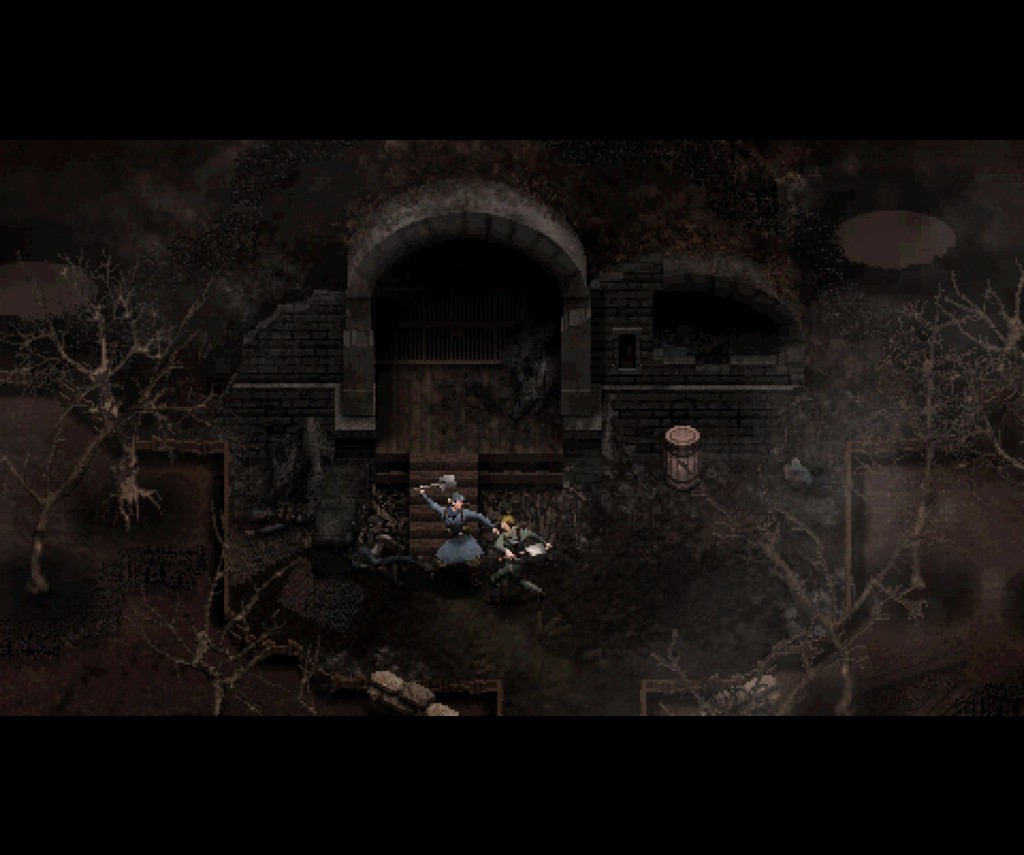
When the shooting does start, Conscript demands a level of focus and deliberation rarely seen in top-down shooters. The combat mechanics involve aiming from a fixed position - although the Director's Cut has enabled some moving while aiming - whether you are utilizing melee or ranged weapons. Once you engage the aim button, you are rooted to the spot, unable to move with the directional keys, which forces you to be incredibly mindful of your positioning before committing to an attack. While aiming, you will observe a reticle slowly closing, increasing the precision of your strike. This creates an agonizing choice: do you fire early to keep an enemy at bay, or wait for the reticle to close for a lethal shot?
Furthermore, the game emphasizes realism through its mechanical complexity; many weapons require an extra action to reload or even to eject a spent cartridge. These manual steps, combined with lengthy reload animations, mean that learning to manage the timing and range of your weapons is absolutely crucial to your survival. To help manage this pressure, players can assign up to four weapons to quick slots, allowing for rapid transitions between a rifle and a trench shovel. However, even with the best gear, success relies on your ability to infer the timing of enemy attacks and use the dodge mechanic to weave through the chaos.
The Soldier's Economy
Progression in Conscript feels earned. As you explore the blood-soaked ruins, you'll find weapon parts that can be taken to a gunsmith to improve your efficiency. This becomes a vital lifeline as the game progresses. While the game features four distinct difficulty levels, the early hours can be daunting regardless of your choice. I'll admit, after dying several times in the opening chapter, I briefly considered lowering the difficulty. The damage taken can be staggering at first, but persistence pays off. As you become more familiar with your arsenal and invest in those crucial upgrades, the difficulty curve becomes much more forgiving.
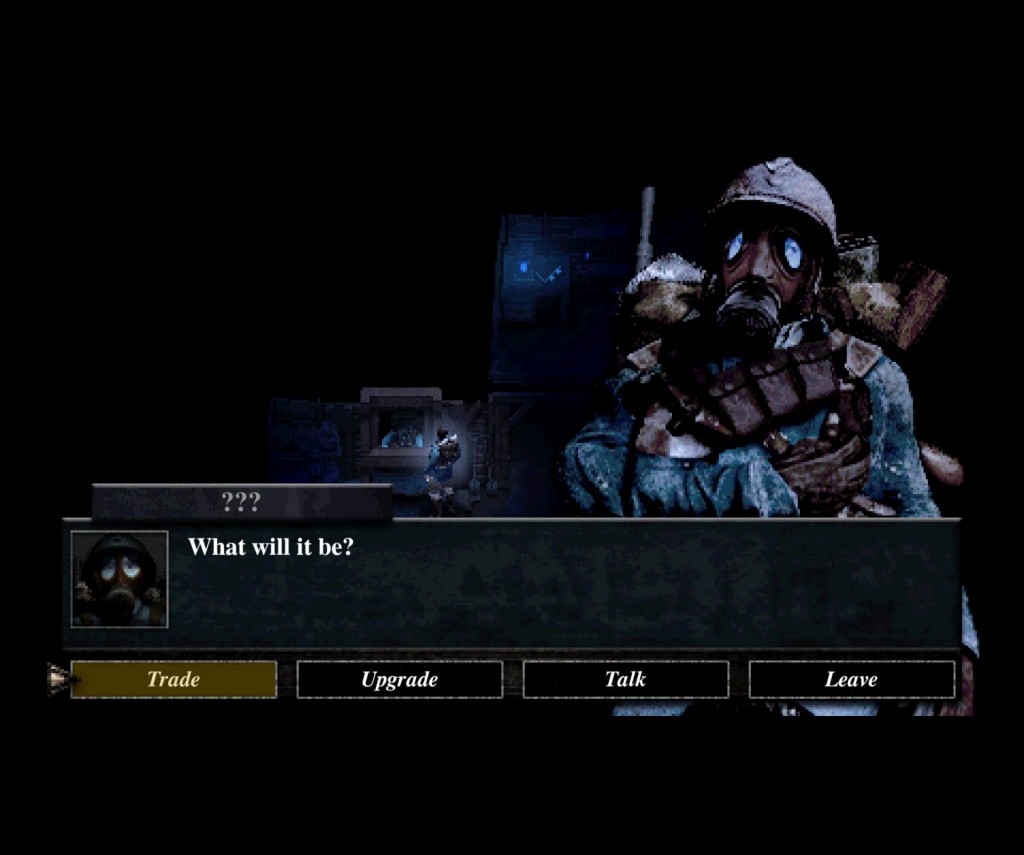
The game also features a thematic economy where cigarettes serve as the primary currency. Trading your smokes with merchants for health supplies or ammunition creates a constant internal debate: do I buy what I need to survive the next room, or save up for a more effective weapon upgrade later? It is a brilliant thematic touch that keeps you grounded in the setting.
A Modern Classic of the Genre
The Director's Cut of Conscript is more than just a historical curiosity; it is a mechanical triumph. By stripping away the supernatural and focusing on the very real horrors of 1916, Jordan Mochi has created a survival horror game that feels more grounded and terrifying than many of its peers. With its focus on inventory management, tactical combat, and a hauntingly beautiful presentation, it is a game that respects the player's intelligence and rewards their grit. If you missed it the first time around, there is no longer any excuse to stay out of the trenches. This is a definitive survival horror experience.
As always, follow Hooked Gamers on Instagram for news updates, reviews, competitions and more.
7.0
fun score
Pros
Atmospheric
Cons
Reasonably steep learning curve