Clive Barker's Hellraiser: Revival

Review
The Best Hellraiser Since Hellraiser
by Jordan Helsley
reviewed on PC
Bloodline
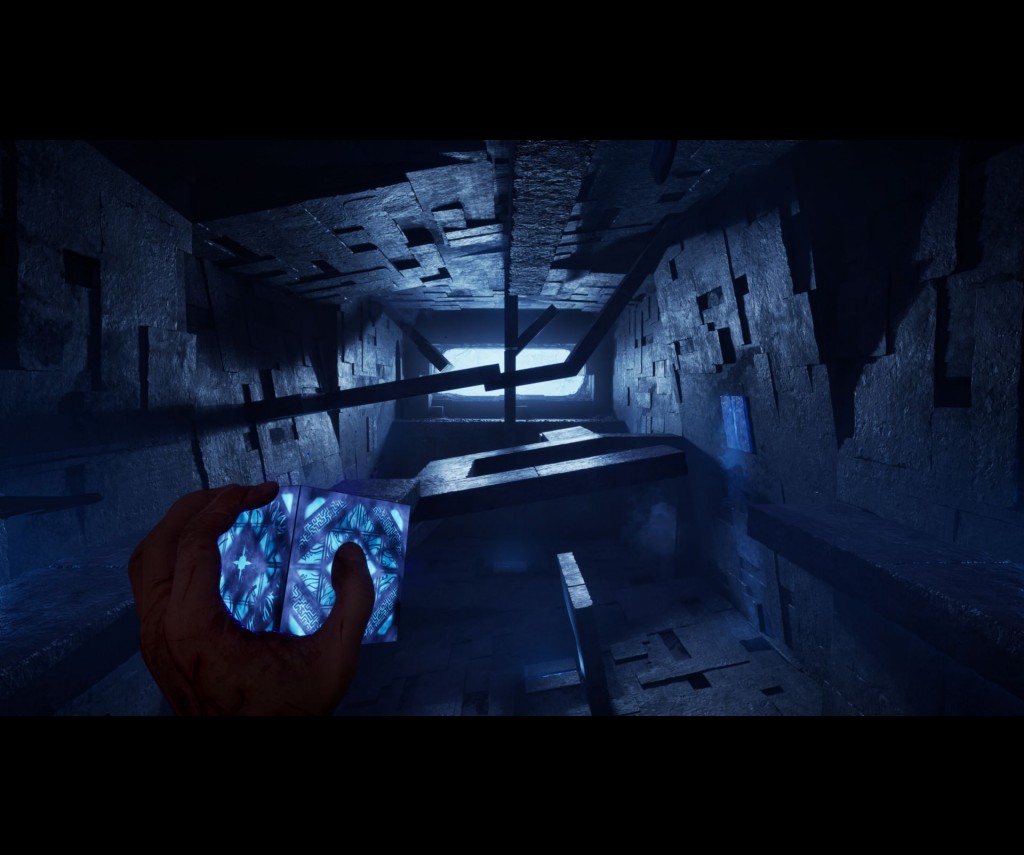
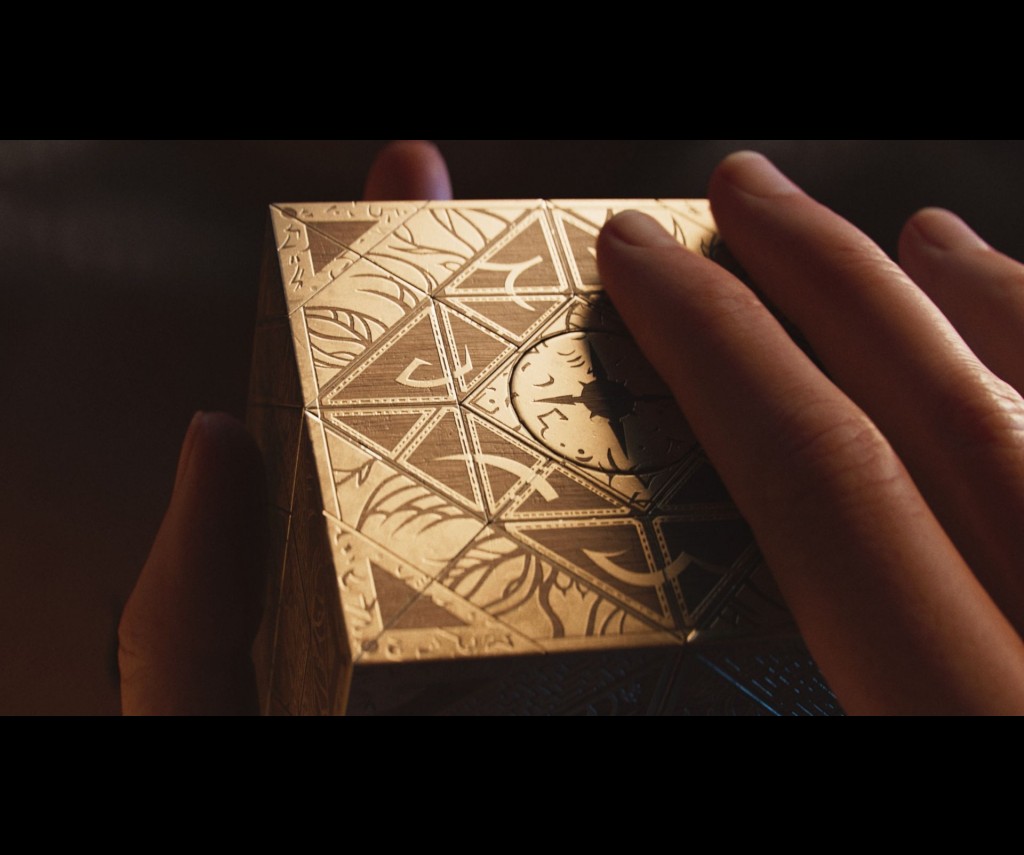
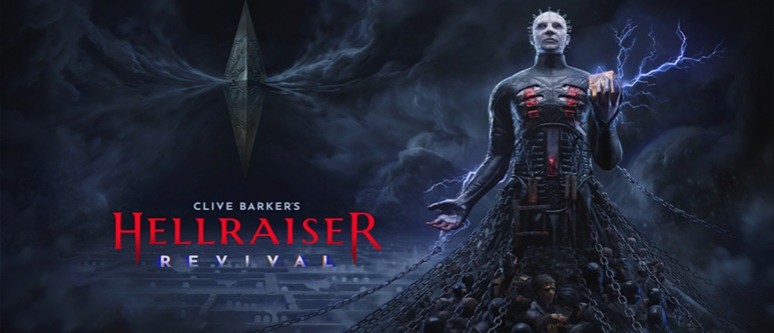
The game centres on the Genesis Configuration, a version of the typical Hellraiser puzzle box that, like the others, has a unique effect on its user. In this case, it grants telekinetic abilities. At its low points the Genesis is a glorified Bioshock plasmid, fueled by suffering rather than injections, and at its higher points it's solving puzzles in the Labyrinth. This power is utilized by our protagonist, Aidan, who, sorry to all real-life Aidans, sucks (on purpose) just as much as the other video game Aidans, thanks to a solid performance by Xalavier Nelson Jr. Aidan needs to free his girlfriend Sunny from the Labyrinth after they, during an intimate moment, summon the Cenobites who reward Sunny with a flaying in front of her boyfriend. Unfortunately for our boy, and fortunately for those who want a game to play, he is almost immediately kidnapped by the Scarlet Church, a cult that really wants a certain stolen puzzle box back. Much of the story that follows involves getting acquainted with the Scarlet Church, its leader Marlowe, and his right-hand man and "artist" Bruno. They also suck.
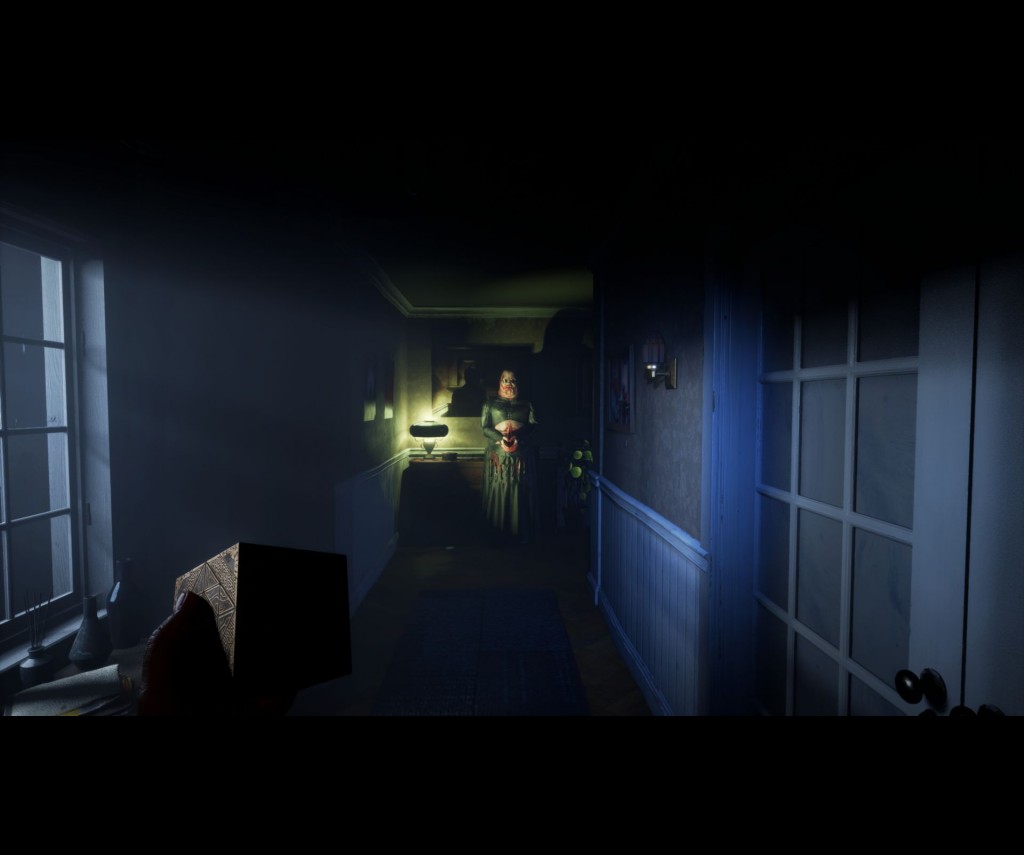
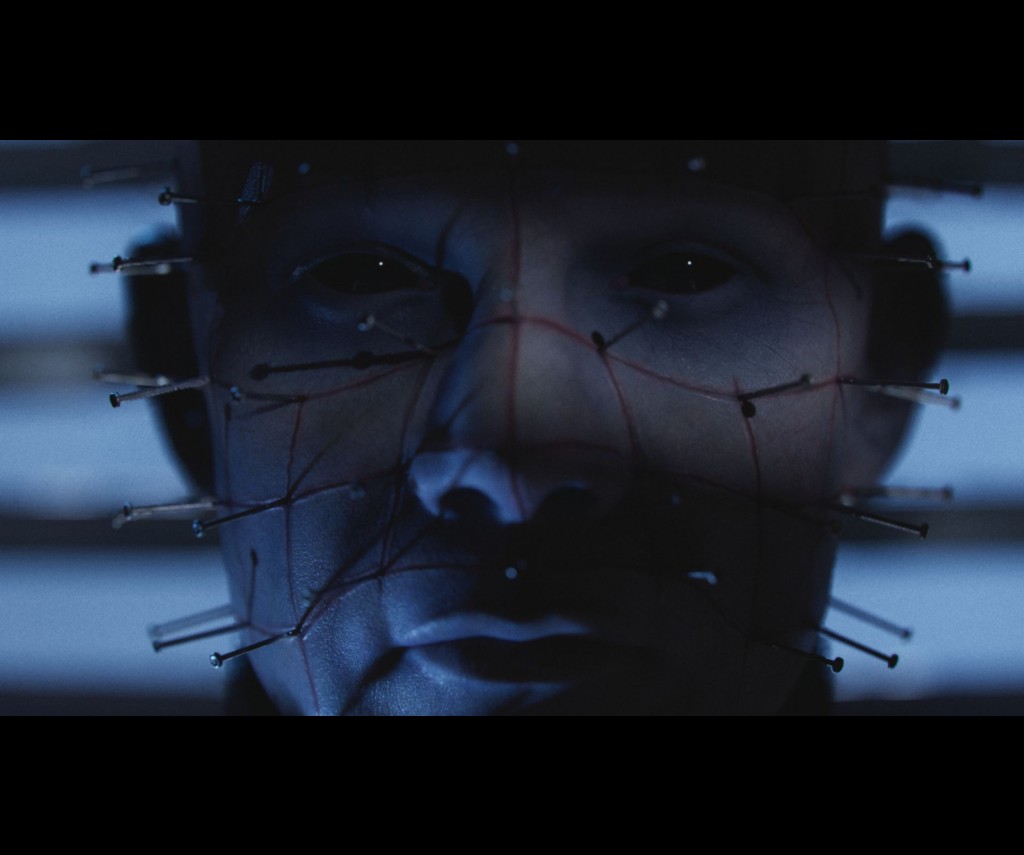
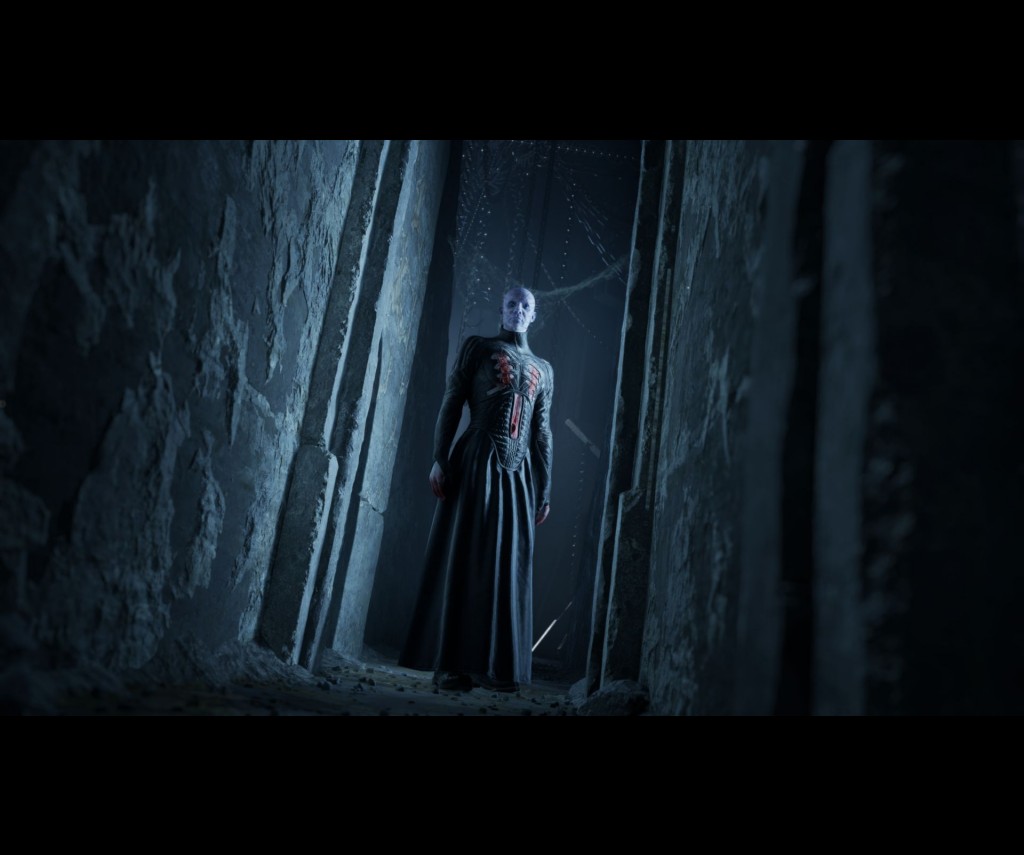
The thing about the Scarlet Church is they have it all wrong, and that really helps to form the story we get. They worship the Cenobites, and want the Genesis Configuration to transcend, and in particular Marlowe wants to use it to become a Cenobite himself. This early sticking point of mine, that they feel like characters created in earnest in some of the "license-keeping" Hellraiser sequels, is entirely the point, and it is exemplified by Bruno. The early areas of the cult's torture dungeon are filled with his "art," grotesque creations made from the corpses of their victims, and idols to their Gods. These areas look like an edgy teenager's notebook meets Condemned's spooky underbelly, just with bodies instead of mannequins, to truly reinforce that none of them have any idea what they're doing or who they're worshipping. In what they believe is a rebellion against beauty is the exact vanity their Gods detest. For the Cenobites, the art is the process; for the Scarlet Church it's the output. Doug Bradley's dispassionate Pinhead only sharpens that contrast, particularly when the Church's idea of worship meets the real thing.
Hellworld
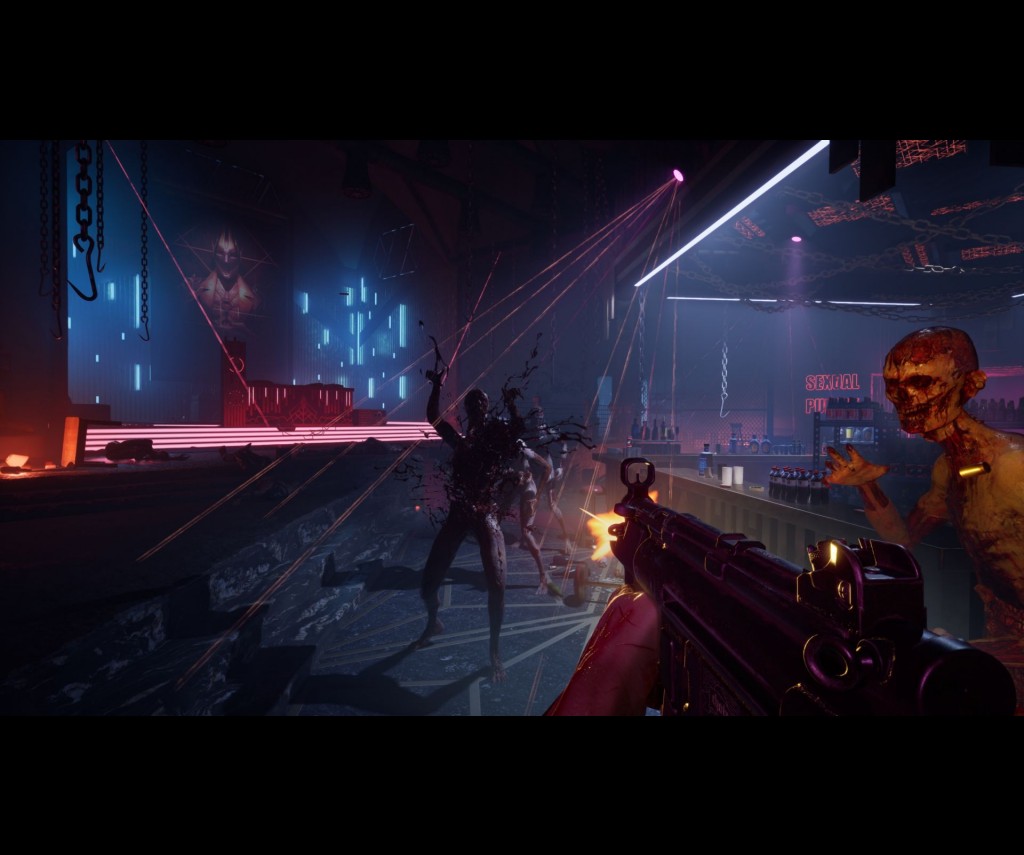
That same distinction is at the heart of Hellraiser: Revival, where the gameplay that makes up the finished product feels undervalued in the same way. Were it not for the pretty graphics, it might feel more like a contemporary of the games it evokes, but still it ends up as an amalgamation of them, even if it's never offensive. Before even experiencing the left hand ability/right hand weapon system, you'll pick up coins and "valuables" before any type of merchant seems even feasible, metal scraps before you've considered you'd be crafting, gunpowder when all you've seen are melee weapons, a tile-based inventory puzzle before it's close to full, and a broken melee weapon before you've counted the number of swings. It throws all of that at you as you're primarily sneaking up on cult members and stabbing them to death as they mutter discontent with their leader and his mission. If there's a common survival horror mechanic, Hellraiser: Revival probably has it, and hasn't done it particularly well. Placing a large item in the inventory on top of a single item in the way doesn't pick up the single item, it just prevents the new one from being placed. Instead of packing one-square ammo boxes into the puzzle, they all come in 2x2 packages for maximum space-filling. The crafting economy felt like a similar misstep, as I spent a large amount of the game passing over coils because I was full of them, but remained unable to use them in any recipes. Even the re-animated monsters caused by the cult playing with powers they don't understand are more like zombies than anything else. There's also a copy of Resident Evil 4's "assaulted at the cabin" scene that brought me an audible chuckle.
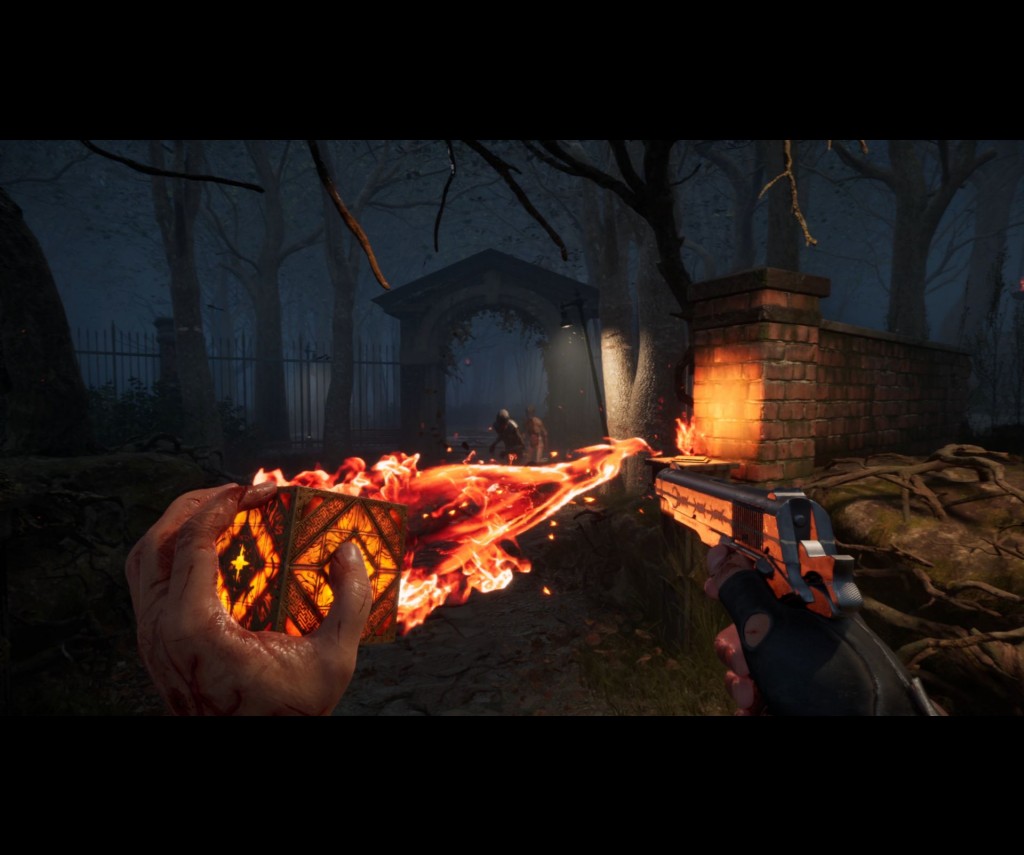
Like the rest, the combat is serviceable, with a light blunt-beats-armor, sharp-beats-flesh, bullets-beat-all calculation in weapon choice, but it rarely extends beyond that. While the Genesis Configuration primarily focuses on pulling saw blades and railroad spikes from the environment to throw at enemies, the handheld weapons feel limited in both the damage they deal and how long they can be used, and they have to be used to recharge the Configuration's power. Bosses and mini-bosses are largely unremarkable because of that. They usually end up as an encounter in a relatively small space, where you're tasked with avoiding the environment, dodging a lunging attack, getting a few shots in, then repeating the process. This is only ever flipped during the final boss, where puzzle-like elements come into play to signal what could have been.
Hellbound
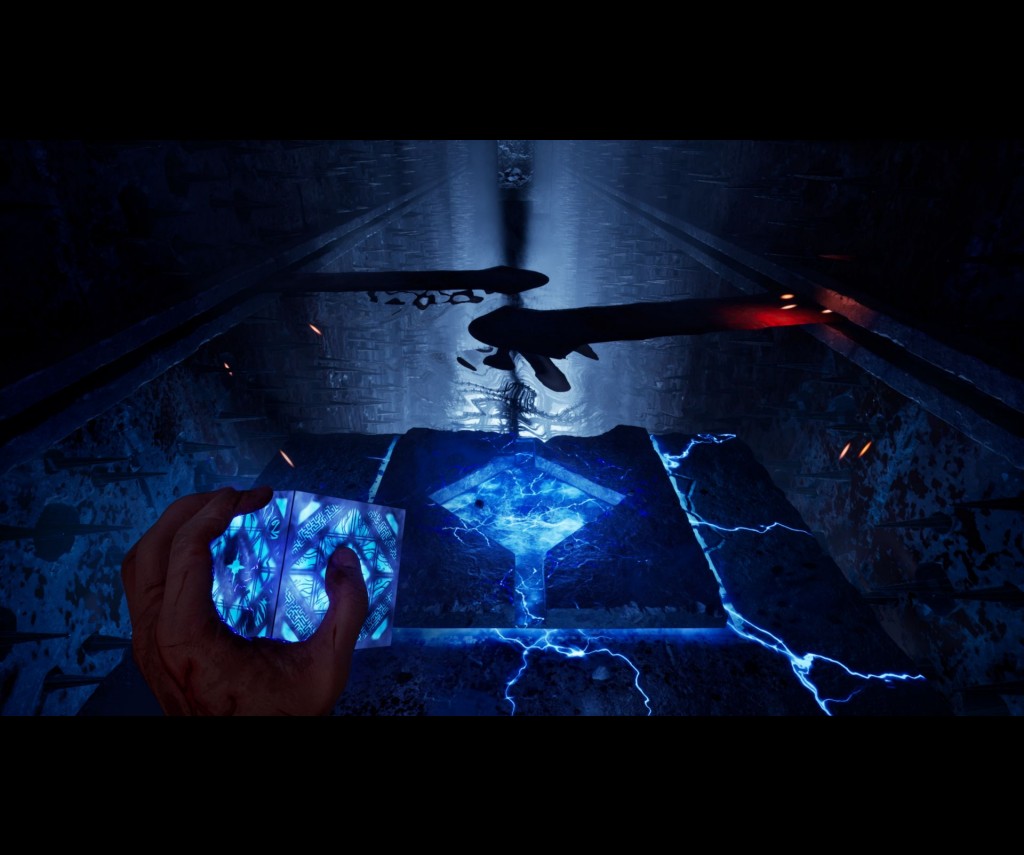
The best parts of the gameplay come either when there's no combat, or when the Configuration is used for something other than throwing sharp objects. Primarily these moments are inside the Labyrinth, where traps and the occasional Chatterer are the only threats, and even death is a minor setback. The puzzles are minor, but still present some clever situations that would have been welcome in a greater quantity. In one spectacle moment you're contending with the gaze of Leviathan, the actual big-bad of the Hellraiser universe, and moving blocks to traverse the landscape safely. In another you're rotating entire sections of a large hallway to align a path. Moments that play with the scale and power of the world, the shifting landscapes and points of pain. Other puzzles see you rearranging the shape of the configuration to slot into a door, rather than hunting down some MacGuffin-shaped key (though you're doing plenty of that, too). Those little moments are impactful because of their contrast with the rest.
While the mainline story only enters the Labyrinth relatively briefly, it remains a memorable location because of its design, but also because the bulk of the real-world locations on offer are pretty bland. The exception there is the BDSM club the Scarlet Church runs above their dangerous underbelly. It's so detailed and lovingly crafted that I have to believe Barker himself once again drew from his own experience, but it nevertheless is something that we truly haven't seen before in video games to such a degree. It's handled with grace and depth, and without demonization, as is appropriate for the property.
Judgement
Hellraiser: Revival echoes all of that maturity with its story from beginning to end. It has the markers of seasoned and talented writers, such as Clive Barker himself, but also highlights the difficulties of such an author transitioning to another form of storytelling. When you want to remain faithful to a story as cerebral, psychological, and poetic as this one, where you have to invent a killable enemy for gameplay purposes, things are bound to misalign. As such, the gameplay never completely feels congruent with Aidan's journey and the world it takes place in. Most of that is because of game design that retreads ground rather than trying something new. That design was never repellant, to be clear, but straightforward imitation of the greats holds back an otherwise ambitious title enough to be notable.
As always, follow Hooked Gamers on Instagram for news updates, reviews, competitions and more.
7.3
fun score
Pros
A layered story with character growth for the protagonist in a fully realized world. Some unique locations that feel right out of the source material
Cons
A bit of tonal mismatch in the gameplay versus the story being told. It retreads survival horror ground more often than trying something new to evoke the source material.